Bottom Closure
Custom bottom closure boxes engineered for load-bearing strength, secure base assembly, and clean retail presentation. Wholesale pricing from 100 units with digital proofs.
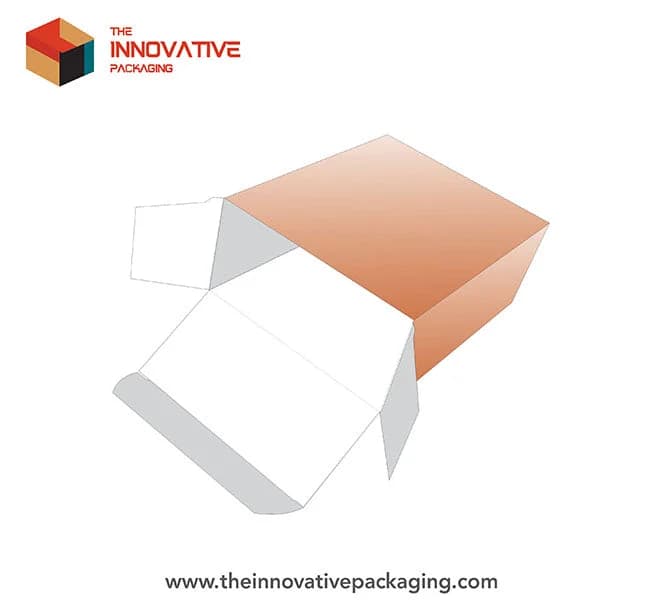
Bottom Closure Styles We Manufacture
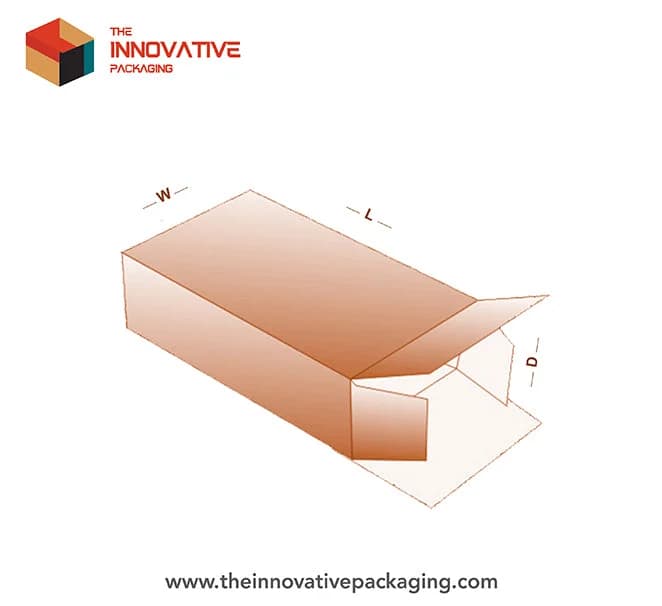
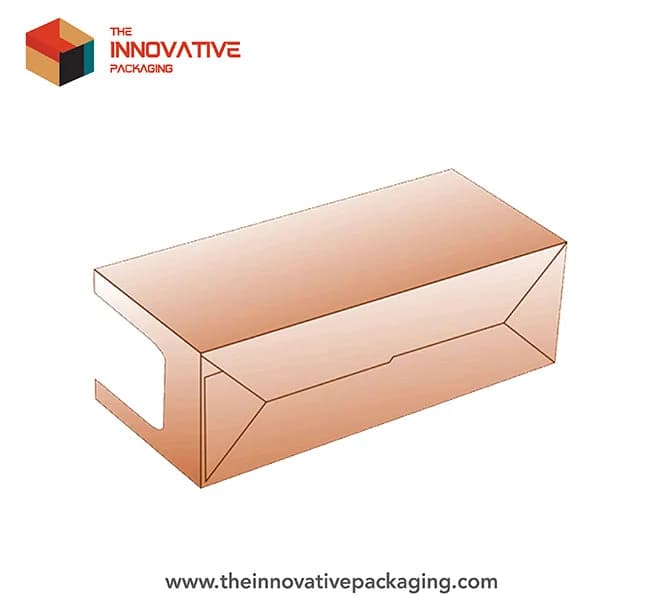
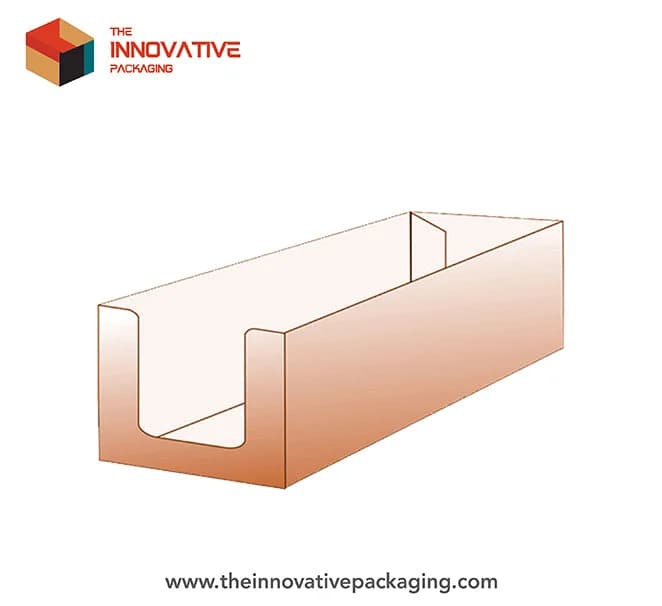
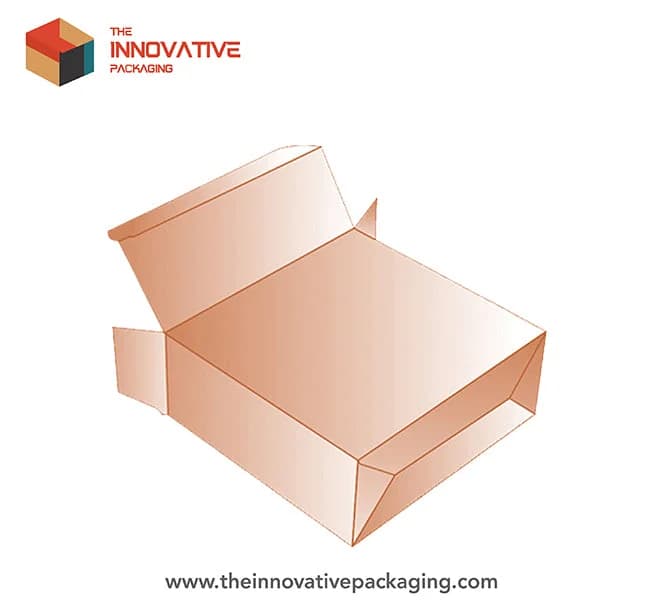
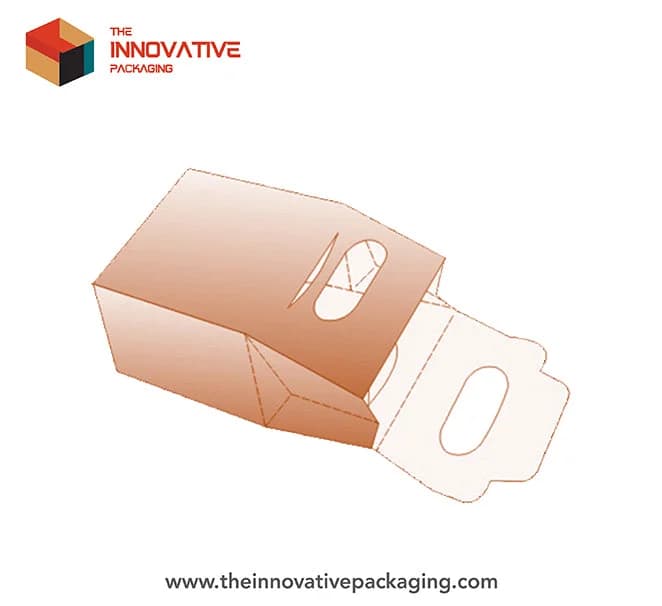
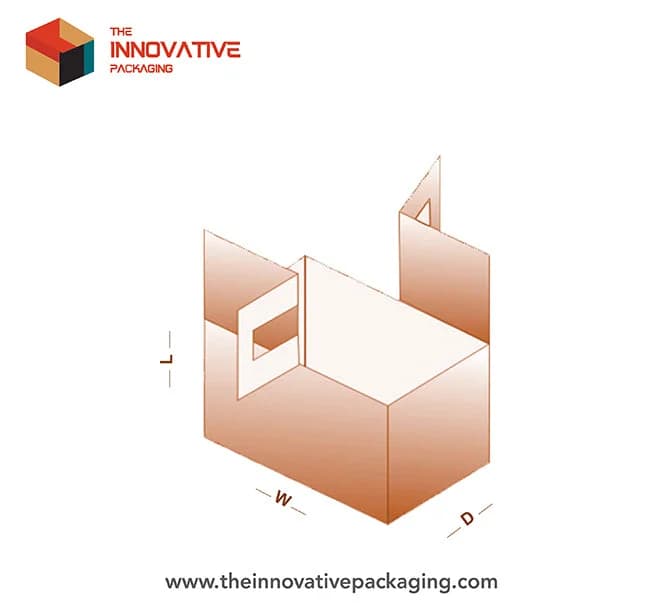
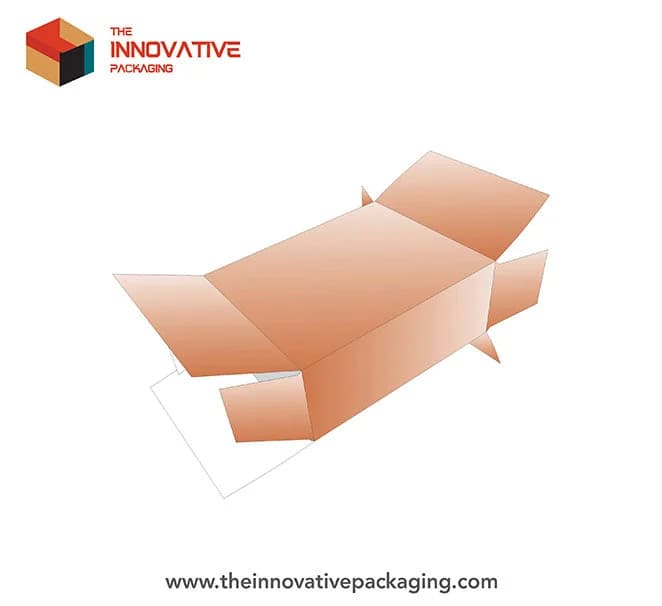
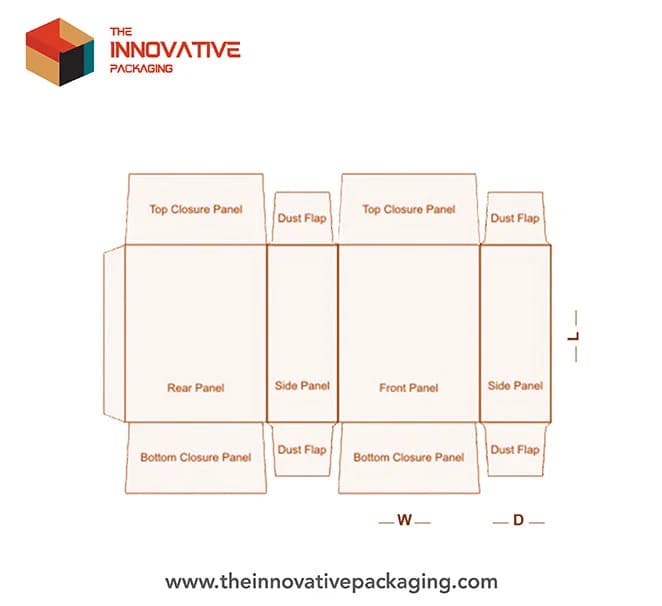
Bottom closure is the family of folding cartons defined by how the base is built, because the base is what fails first under load. A 1-2-3 bottom, also called an auto-bottom, arrives pre-glued and locks square as the box is opened. A tuck-end auto-bottom pairs that locking base with a simple tuck top. A full flap auto-bottom overlaps the base panels completely for maximum load spread. Seal-end boxes are glued at both ends and have to be torn open, which makes them the most tamper-evident carton available. Seal-end auto-bottoms combine the two. Auto-bottom trays and auto-bottom display boxes convert into an open presentation once the top is removed. Gable boxes carry a folded handle for gifting and food service, and glass carriers add internal dividers for bottles.
Board Weight for Load-Bearing Bases
Base structure and board weight solve different halves of the same problem. A locking base spreads load across the whole panel instead of a single flap, but a light caliper will still bow under a heavy product over time on a shelf. For most retail contents 16-18pt is sufficient; anything with real weight - glass jars, bottles, dense food - wants 20-24pt or a move to corrugated entirely.
Coatings matter less structurally than people expect, but a coated interior is worth specifying where the contents may leak or sweat, since board that gets wet does not recover its stiffness. Stock ranges and coating options are on our materials and printing page.
Sizing and Fill Considerations
Give us length x width x depth measured at the product's widest point on each axis, assembled and with any cap or lid fitted. Our dielines are drawn to internal dimensions, so board thickness is already accounted for.
One thing specific to this family: a locking base needs the box to be square when it is opened, so a carton cut with too much clearance can be assembled slightly out of true and then carries load on two corners instead of four. Cutting close to the product is a structural benefit here, not only a presentational one.
Choosing a Base for Your Product
Weight is the first question. Below roughly 250g a standard tuck bottom is fine and cheapest. Above that, an auto-bottom stops being an upgrade and starts being the correct specification - it is the single most common fix we make to packaging that has failed in transit.
Fill speed is the second, and it is the cost most people miss. A tuck bottom has to be folded and tucked by hand; an auto-bottom snaps into shape in one motion. At 100 units that difference is nothing, at 10,000 it is significant, and it usually decides the choice for anyone packing in-house. A seal-end box goes further still, filled and glued on a line rather than by hand.
Where These Styles Are Used
Auto-bottom cartons dominate anywhere a product has weight and is packed by hand: candles, jars, bottled cosmetics, supplements, food in glass. Seal-end boxes appear where tamper evidence is expected - supplements, age-restricted products, anything sold sealed. Gable boxes are the standard for food service takeaway and party or favour packaging, where the handle is the point. Glass carriers serve drinks, oils and any multi-bottle set.
If you are choosing between structures for a new product, our custom product boxes page walks through the decision in order.
A note on shipping: a locking base makes a retail carton much stronger, but it does not make it a shipper. A folding carton handed to a courier on its own will arrive damaged often enough to matter, whatever its base. If you sell direct to customers, the auto-bottom carton is the retail box and it still needs a corrugated mailer around it. Our guide to preventing shipping damage shows how to pair the two.
Quantities and Turnaround
You can order from 100 units per style, and no die, plate, or setup charge applies at any quantity - so trying a second base structure alongside your current one costs unit price rather than new tooling. Volume pricing begins at 500 units per style. Production is 10-15 business days after proof approval, 8-10 on a rush, with free US shipping. Every order includes a dieline and a digital proof, and boxes ship flat-packed.
To quote, send the product dimensions and - importantly here - the filled weight. Base structure is chosen from weight more than from anything else, and a product that seems light in the hand is often heavier than the carton it is going into can carry over a full shelf life.
Why Choose Our Bottom Closure
Structural Strength
Bottom closure styles use auto-lock, snap-lock, and glued base construction that holds weight without buckling, ideal for heavy or fragile products.
Fast Assembly
Auto-bottom and tuck-end auto-bottom styles pop open instantly at the base, cutting down packing time on the floor without sacrificing structure.
Versatile Applications
Used across cosmetics, food, retail, and pharmaceutical packaging wherever a secure, reliable base is required at any volume.
Frequently Asked Questions
Got questions? We have answers. If you need anything else, get in touch.
Auto-bottom boxes have a pre-glued base that locks open automatically when the box is erected. Full flap auto-bottom adds additional flap coverage at the base for extra reinforcement on heavier products.
Our minimum order is 100 units per style. Volume discounts are available for orders above 500 units.
Yes. All styles are available in fully custom dimensions. Share your product measurements and we will build a structural dieline to fit.
Yes. We provide a digital proof on every order, and nothing is printed until you approve it.
We offer SBS cardboard, kraft board, and corrugated options depending on the weight and fragility of your product.
Ready to Order Custom Bottom Closure Boxes?
Choose from 9 bottom closure styles, all built to your exact specs with full-color printing.