Display
Custom display packaging designed to merchandise products at the point of purchase. Counter and floor display styles with full-color printing. Wholesale from 100 units.
Display Structures We Build
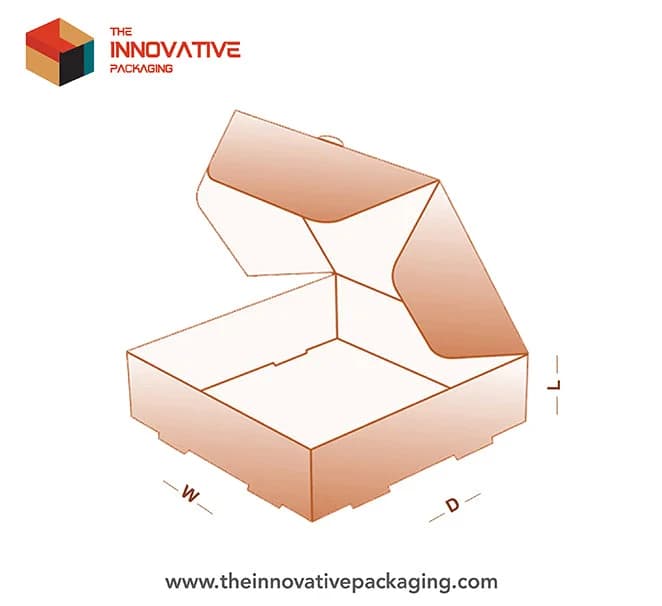
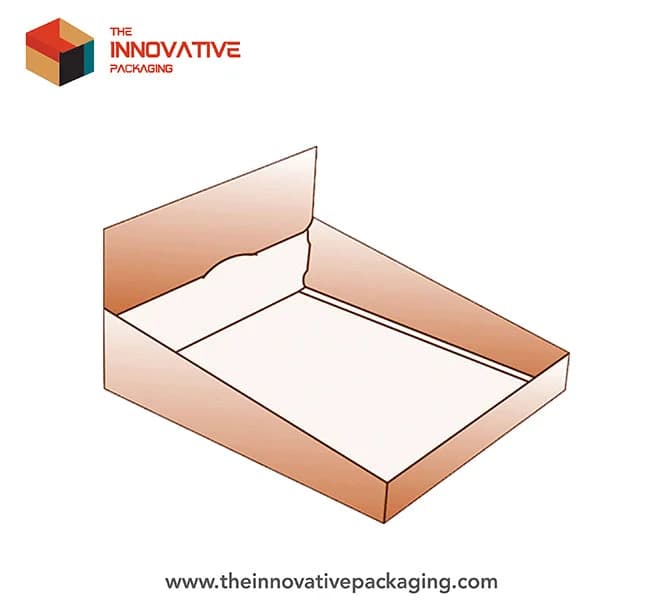
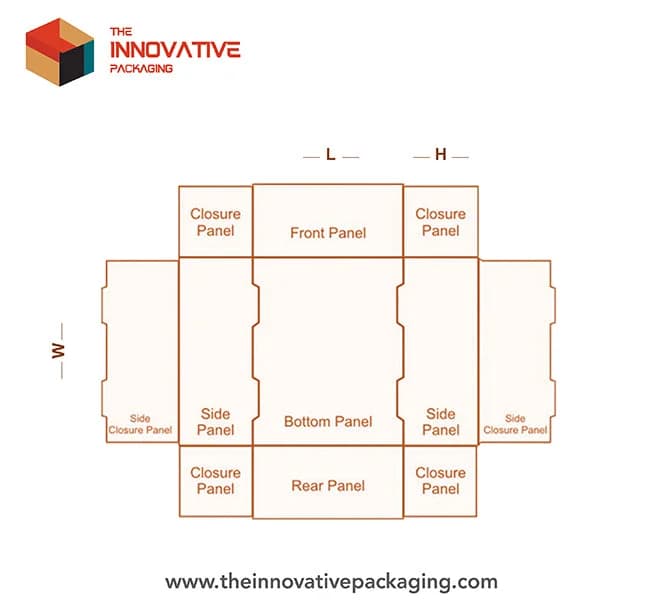
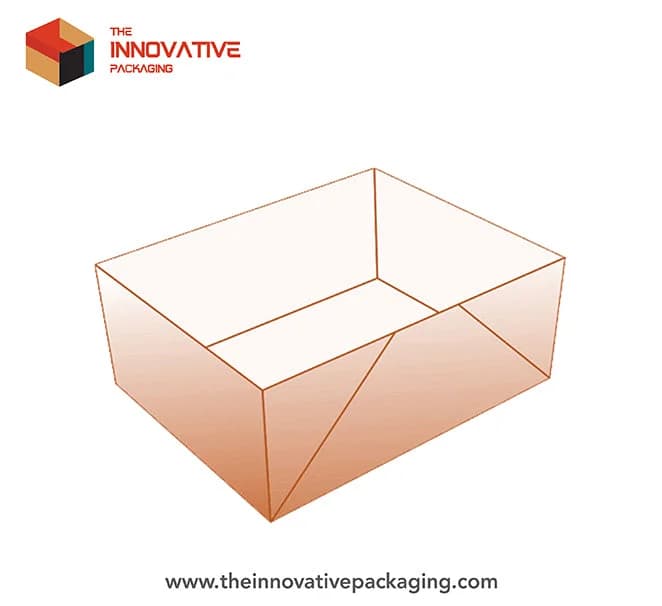
This is the structural family - cartons engineered to become a presentation rather than to be unpacked into one. Double-wall display lid boxes ship closed and convert to an open tray when the lid comes off, so a retailer merchandises the product by opening the case. Double-locked wall lids add a second locking wall for rigidity where the unit has to stand unsupported. Double-wall tray boxes give a finished double-thickness edge and carry more weight than a single-wall tray. Four-corner tray boxes provide a continuous flat base with no seam, which is what lets them hold a row of product level.
For the retail merchandising side of this - counter units, floor stands and shelf-ready packaging organised by where they sell - see our custom display boxes collection.
Why These Structures Use Double Walls
A single-wall tray is a folded sheet: it holds its shape until something pushes on the wall. Double-wall construction folds the panel back on itself, roughly doubling the material at the edge and turning a fold into a beam. That is what stops a loaded tray bowing outward, and it is why these styles carry more weight than their caliper alone suggests.
It also gives a finished edge. On a single-wall tray the customer sees the raw board thickness at the rim; on a double wall they see a folded edge, which reads as intentional. Where the tray is the shelf presentation, that edge is the detail doing the work. Stock and finishing options are on our materials and printing page.
Sizing for Facings and Fit
These structures are sized by how many units they present, not only by the product. Work out the facing count first - how many units the retailer expects to see across the front - then the depth behind it, then the height that leaves the product visible above the tray wall.
Tray wall height is the detail most often got wrong. Too low and the contents fall out or lean; too high and the product is hidden, which defeats the point of a display. As a rule we set the wall to roughly half the product height unless the product needs more support.
Choosing Between Tray, Display Lid and Locked Wall
A plain tray is cheapest and suits light products presented on a counter with something else holding them upright. A display-lid box is the most practical for retail distribution, because the same unit protects the product in transit and becomes the display on arrival - no separate shipper, no assembly step. A double-locked wall lid is for units that have to stand on their own under real weight.
The assembly question decides more of these than the structure question does. A display that takes staff five minutes to build often does not get built, so a format that arrives as a closed case and opens into a display will out-merchandise a stronger unit that needs assembling.
Where These Structures Are Used
Display-lid and tray formats are standard wherever product ships by the case and sells by the unit: confectionery, personal care, supplements, vape and dispensary retail, seasonal promotions. They also serve as inner packaging inside a larger shipper, holding a row of retail cartons upright so they arrive square rather than leaning.
They are worth considering even where no shelf display is planned. A tray that holds twelve cartons in a grid protects the corners and edges of every unit in transit, and corner damage is the most common reason a retailer refuses a case. In that role the structure is doing protective work rather than merchandising work, and it often replaces void fill entirely.
Ordering a Display Run
Orders start at 100 units per style with no tooling charge, so a display structure and its matching retail carton can be originated together for the price of the units alone. Volume pricing applies from 500 units per style. Production is 10-15 business days from proof approval, 8-10 on a rush, with free shipping across the USA and a dieline and a digital proof on every order.
To quote, send the product dimensions, the facing count the retailer expects, and any limit on the footprint you have been given. Tray wall height follows from those three, and it is the measurement that decides whether the unit presents the product or hides it. Send a photograph of the shelf or counter if you have one.
Why Choose Our Display
Sell More at Point of Purchase
Display packaging removes the barrier between product and customer. Open-front and windowed styles increase visibility and drive impulse purchases on shelf and counter.
Built for Retail Environments
Display box structures are engineered to hold product weight across the full display run without sagging or collapsing on shelf.
Full Branding Surface
Large printable panels on display boxes give brands maximum surface area for brand messaging, product details, and visual impact at the point of sale.
Frequently Asked Questions
Got questions? We have answers. If you need anything else, get in touch.
Counter display boxes sit on a retail counter or shelf and are sized for smaller products. Floor display units are larger freestanding structures designed for high-volume or large product display.
Yes. All exterior panels including side walls, front face, and header card can be fully printed with your brand artwork.
Display box structures are engineered for the specific product weight. Share your product dimensions and weight and we will recommend the right board weight and style.
100 units per style with volume discounts from 500 units.
Yes. Window die-cuts with or without PVC film are available on most display styles.
Order Custom Display Boxes Wholesale
Maximize your retail presence with custom display packaging built to your specifications.