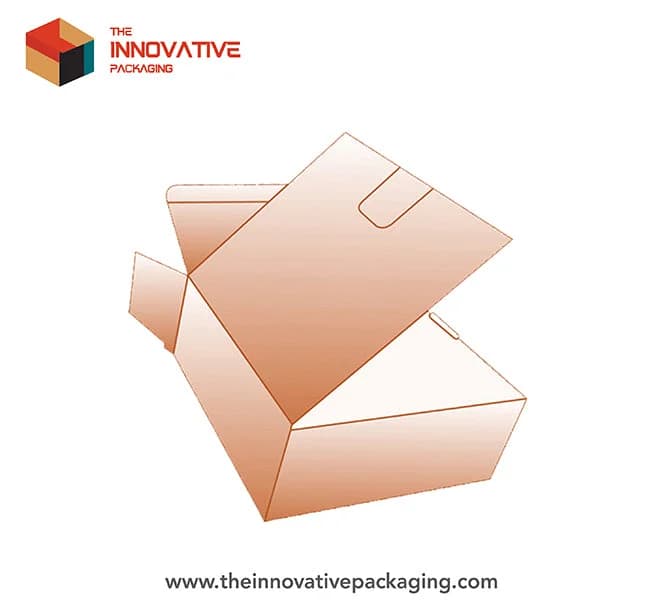
Fold & Assemble
Fold and assemble boxes ship flat and set up by hand, no glue or machinery needed. Cost-effective for bulk orders, clean presentation for retail and e-commerce. From 100 units.
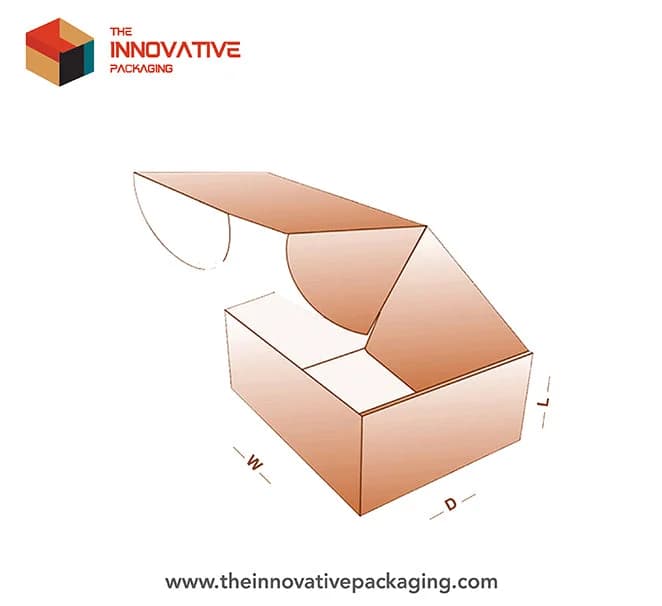
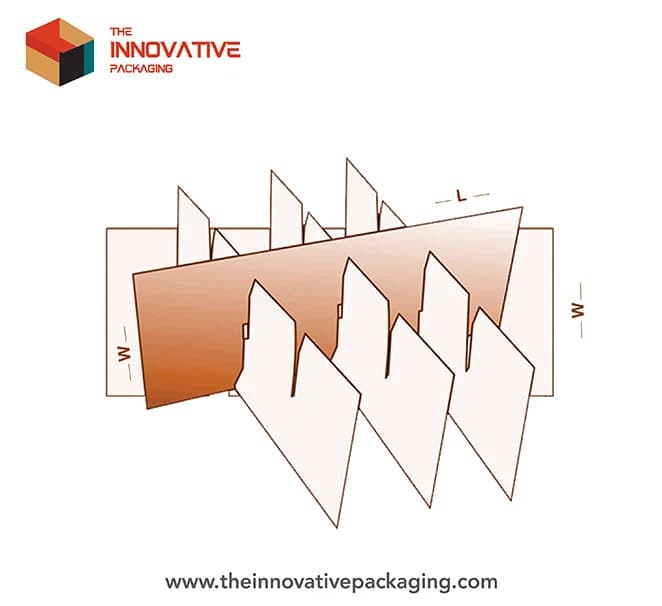
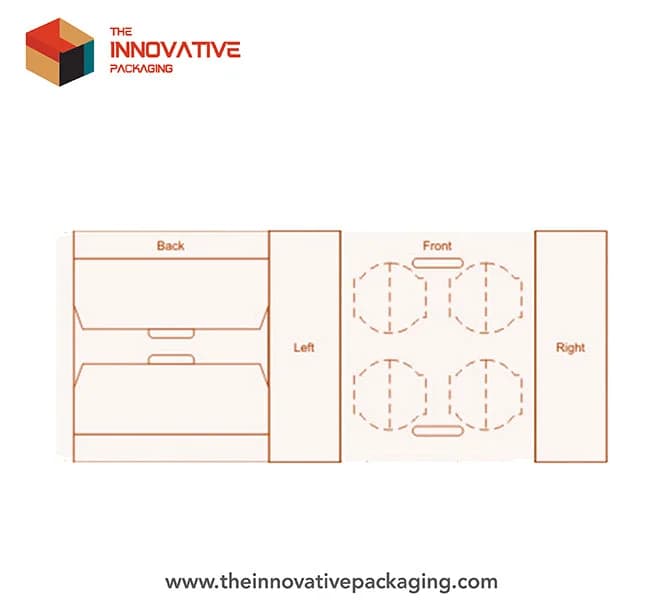
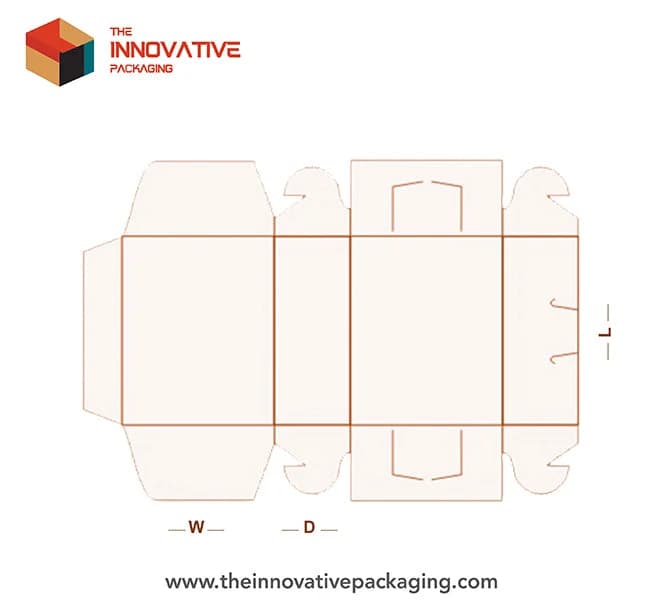
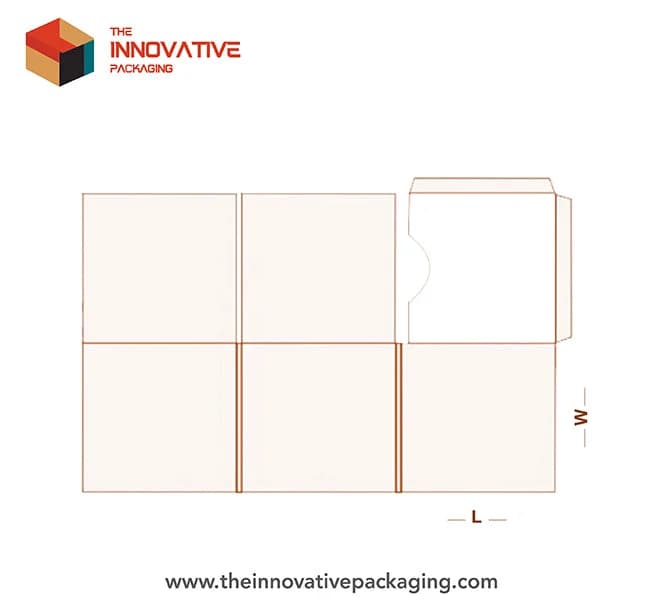
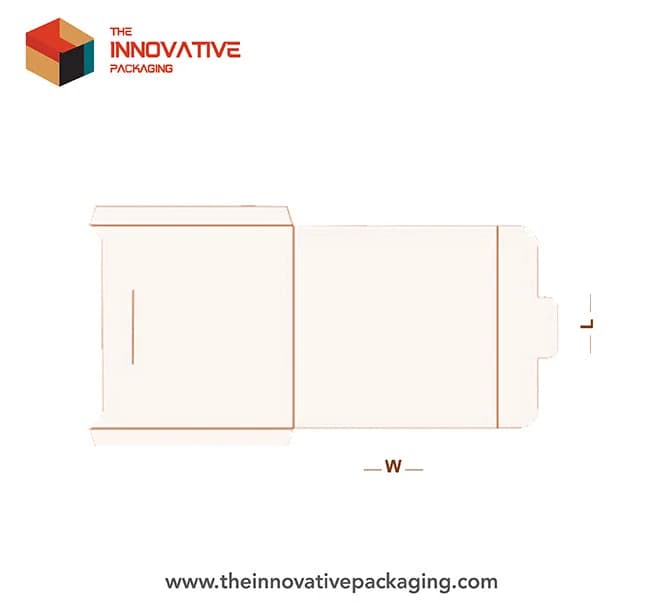
Fold and Assemble Styles We Make
These are structures that ship flat and lock together by hand - no tape, no glue, no tools. Book-end boxes wrap around the product and fold shut like a cover, which is why they suit flat items and gift presentation. Double-wall tuck-front boxes add a second wall thickness and a front tuck that stays closed under handling. Six-lock six-corner boxes fold from a single blank into a rigid open tray strong enough for heavier contents. Fence partitions drop into a box to divide it into cells. Ice cream cone holders and similar shaped folds hold a specific item upright. Two-panel and six-panel CD jackets fold flat around media and printed inserts.
Board Choice for Hand Assembly
Stock choice affects assembly as much as strength in this family. Too light and the locking tabs tear when someone folds the box with any force. Too heavy and the creases fight back, so the box does not sit square and the tabs will not seat. For most hand-assembled structures 16-20pt is the working range, and we adjust based on how many folds the design carries.
Crease quality matters more here than anywhere else in the catalogue, because every fold is made by a person rather than a machine. Uncoated stocks crease and fold more forgivingly than heavily laminated ones, which can crack along a fold on dark solid colours. Full stock details are on our materials and printing page.
Sizing, Tabs and Tolerance
Locking structures are less forgiving of loose sizing than glued ones. A tab has to meet its slot, so a box cut with generous clearance can be assembled slightly out of true and then will not lock cleanly. We cut to the product and design the tab geometry around the finished dimensions.
For partitions, send the exact item count and dimensions. A fence partition is built from interlocking strips sized to the box interior, so it is dimensioned from the box rather than the product - which means the box and the partition have to be specified together, not one after the other.
Choosing Fold-and-Assemble Over Glued
The case for these structures is storage and flexibility. They ship and store completely flat, which matters if you hold stock or fulfil from a small space, and there is no glued base to fail. They also let you assemble only what you need, which suits businesses packing to order rather than in runs.
The cost is time. Every box is a manual operation, and a structure with six folds takes noticeably longer than one with two. If you are packing hundreds of units a week, price the labour alongside the unit cost - an auto-bottom carton often wins on total cost even though it costs more per box. Our bottom closure styles cover the glued alternatives.
Where These Styles Are Used
Fold-and-assemble structures are common in subscription and small-batch businesses, event and favour packaging, media and print products, and anywhere a business assembles packaging as orders come in. Partitions appear across confectionery, glassware, cosmetics sets and multipacks - anywhere several items share one box and must not touch.
They also suit products with an irregular shape that a standard carton would leave rattling, since a folded structure can be designed to cradle the item rather than merely contain it.
One practical note for anyone assembling in-house: build a few from the first order before you commit to a packing process. Fold sequence is not obvious from a flat blank, and the difference between a structure your team assembles in ten seconds and one that takes forty is usually the order the tabs are seated in, not the design itself. We include the fold sequence with the dieline. Walk through it once rather than leaving each packer to work it out.
Quantities and Delivery
The minimum is 100 units per style, no tooling charges apply, and a partition counts as its own style. Unit pricing improves from 500 units up. Production is 10-15 business days after proof approval, 8-10 on a rush, with free shipping across the USA. Everything ships flat-packed, and every order includes a dieline and a digital proof.
To quote, send the product dimensions, the quantity, and roughly how many units you expect to assemble in a session. That last number matters more here than in any other family: it is what decides whether a hand-assembled structure is the right economics or whether a glued base will cost you less overall.
Why Choose Our Fold & Assemble
Lower Shipping Costs
Flat-packed fold and assemble boxes take up a fraction of the space of pre-erected boxes, significantly reducing your inbound freight cost on bulk orders.
No Equipment Required
Assembly requires no machinery or adhesives. Your team can set up boxes by hand directly on the packing line, reducing operational complexity.
Retail and E-Commerce Ready
Fold and assemble styles deliver a clean, professional finish suitable for retail shelf display and branded e-commerce unboxing.
Frequently Asked Questions
Got questions? We have answers. If you need anything else, get in touch.
No. Fold and assemble boxes are designed to be set up by hand without glue, tape, or machinery. The structural design holds the box together once assembled.
They work well for light to medium weight products. For heavier items, auto-bottom or glued base styles provide more structural support.
Yes. All fold and assemble styles are available in custom dimensions built to your product measurements.
100 units per style. Volume discounts apply on orders of 500 units and above.
Flat-packed in bulk, which significantly reduces freight costs compared to pre-erected boxes.
Get a Quote on Fold and Assemble Boxes
Save on shipping and storage with flat-pack boxes that assemble in seconds.