Figures & Pattern
Custom shaped and patterned boxes using precision die-cutting for unique structural forms. Popular for gifting, seasonal products, and brands where packaging is part of the experience. From 100 units.


Shaped and Patterned Structures We Cut
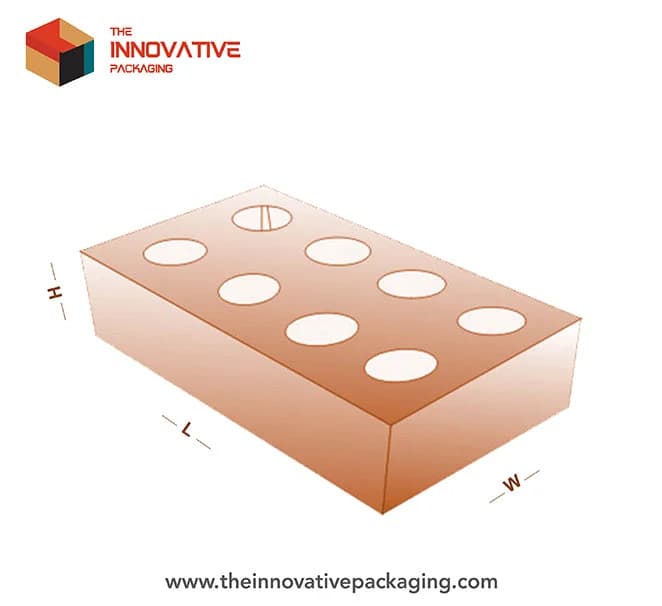
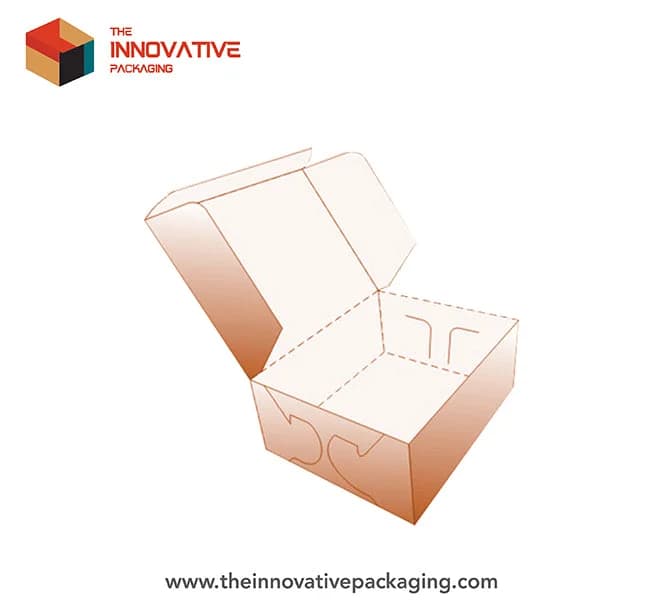
This range covers structures that leave the plain rectangle behind - either in silhouette or in what sits inside them. Six-corner boxes fold into a deeper tray with reinforced corners that hold their shape under weight. Double-glued side wall tray and sleeve builds add glued side walls to a drawer-style box for rigidity. Foot-lock tray boxes lock at the base without glue. French fry boxes and similar tapered scoops open wide at the top for service. Punch partitions are die-cut inserts that divide a box into a grid of cells shaped to the product.
Beyond these, we cut custom silhouettes to your artwork. If you have a shape in mind that is not shown here, send the concept and we will tell you whether it folds.
Material Choice for Complex Cuts
Shaped structures put more demand on the board than rectangular ones. Every additional fold and every curve is a place the stock can crack or bow, so caliper is chosen for how the board behaves through the die rather than for weight alone. Heavily laminated dark stocks are the most likely to show cracking along a curved crease, which is worth knowing at design stage rather than at proof.
Partitions are the opposite problem: they need to be stiff enough to hold a cell shape but thin enough that the cells do not eat the box interior. We usually run these lighter than the box itself. Stock behaviour and finish options are covered on our materials and printing page.
Why Shaped Boxes Cost More
Three costs compound on a non-rectangular box, and it helps to know which ones apply to your design. Shaped dielines nest less efficiently on a press sheet, so more board is wasted per unit. Curved or multi-fold structures often need additional handling rather than running straight through standard folding and gluing. And shaped boxes ship and store less densely than rectangles, which shows up in freight rather than unit price.
What does not cost extra with us is the die itself - there are no die, plate, or setup charges at any quantity, which is usually the largest barrier to trying a custom shape at low volume. The economics that remain are material and handling.
Choosing Shape Over Finish
A shaped box is one way to stand out, and it is not always the most effective one at a given budget. A rectangular carton in a heavier stock with soft-touch lamination and a foil logo will often read as more premium than a shaped box produced to the same total cost, because the money went into what the customer touches rather than into the outline.
Shape earns its cost when it does a job: a taper that makes a scoop easy to hold, a hexagon that makes a product recognisable at a glance, a six-corner tray that holds weight a flat tray cannot. Where the shape is decorative only, it is worth comparing it against the same budget spent on stock and finishing.
Where These Structures Are Used
Shaped trays and scoops are standard in food service, where the structure has to work in one hand. Six-corner and foot-lock trays serve produce, bakery and heavier retail goods. Punch partitions appear anywhere an assortment is sold as a set - confectionery, cosmetics, candles, glassware - since the grid is what turns loose items into a presentation.
Shaped retail boxes are most common where the silhouette is part of the brand: hexagon boxes in beauty and gifting, pillow-style packs for accessories, and custom die cuts for limited editions.
They are least suited to products sold in dense rows on a shelf, where a non-rectangular footprint wastes facing space the retailer is counting.
What a Custom Shape Costs to Order
A run starts at 100 units per style. No die charge applies, which is the single reason a custom shape is viable at low volume. Volume pricing begins at 500 units. Lead time is 10-15 business days once the proof is signed off, or 8-10 on a rush, and shipping anywhere in the USA is included. Every order includes a custom dieline and a digital proof - worth using here, since a shaped structure is much easier to judge as a rendered form than as a flat drawing.
To quote a shaped structure, send the product dimensions and a sketch or reference of the silhouette you have in mind. We will tell you whether it folds, what it does to the material cost, and whether the same effect could be had more cheaply from a rectangular carton with a stronger finish.
Why Choose Our Figures & Pattern
Stand Out on Shelf
Unique die-cut shapes and patterned structures immediately differentiate your product from standard rectangular packaging on retail shelves and e-commerce listings.
Perfect for Gifting and Seasonal Products
Shaped boxes are widely used for seasonal gifting, limited editions, and product launches where the packaging itself is meant to create excitement.
Precision Die-Cutting
Every figure and pattern box is produced with precision die-cutting to ensure clean edges, consistent assembly, and a finished product that reflects your brand quality.
Frequently Asked Questions
Got questions? We have answers. If you need anything else, get in touch.
Yes. We produce fully custom die-cut shapes from structural dielines. Share your shape concept or reference and we will engineer the structure and provide a digital proof before production.
Custom shaped boxes typically cost slightly more due to the die-cutting tooling involved, but for orders above 500 units the per-unit cost difference is minimal.
Pillow boxes are commonly used for jewelry, hair accessories, small cosmetics, chocolates, and gift packaging where a soft flowing shape suits the product.
Yes. Board weight and structural design are selected based on the product weight and retail environment. We recommend the appropriate spec for your application.
100 units per style. Volume discounts apply from 500 units.
Get a Quote on Custom Shaped Packaging
Stand out with specialty structural designs that make your product impossible to ignore.