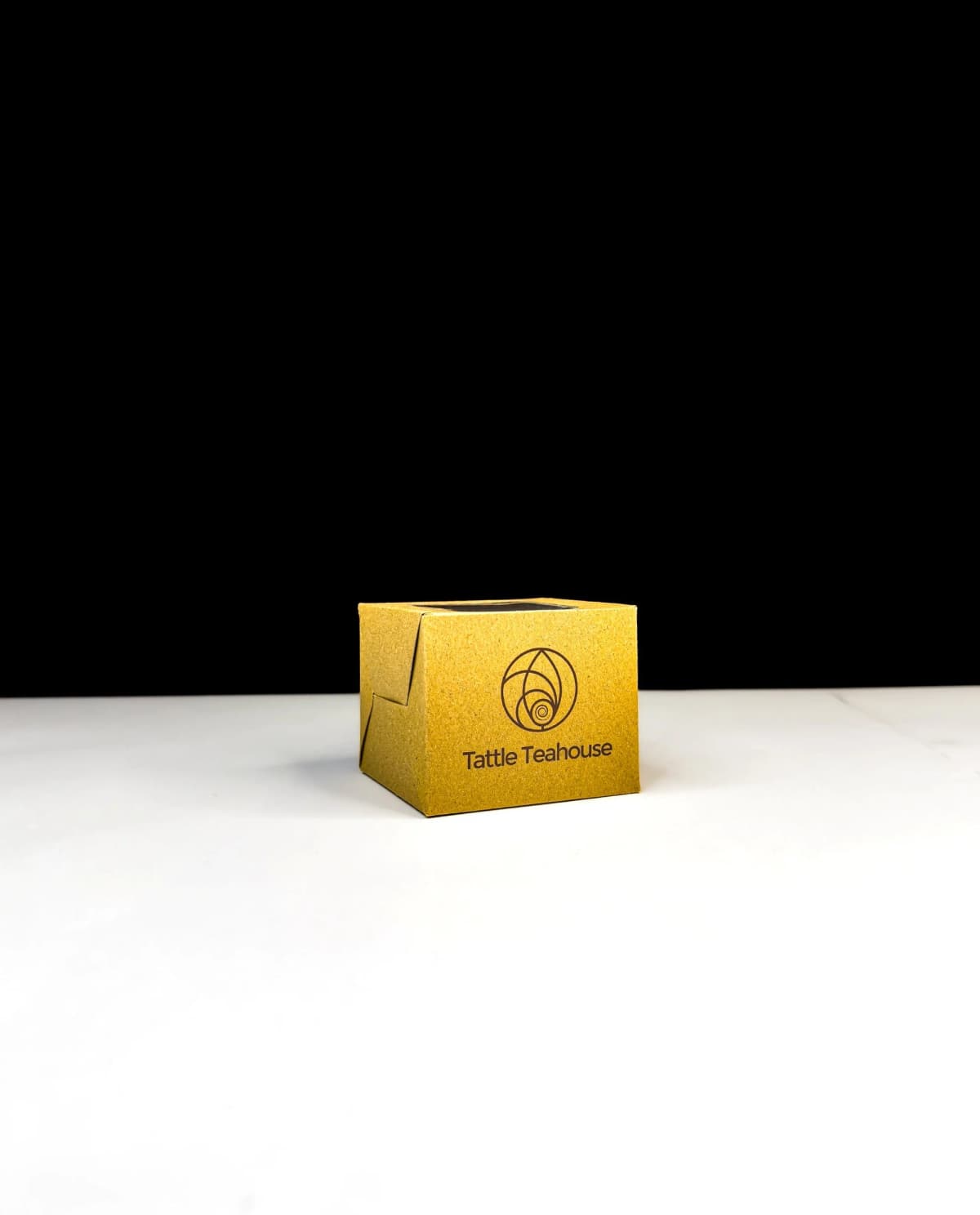
Eco-Friendly Packaging Boxes
Looking for sustainable custom eco-friendly packaging boxes wholesale that reflect your brand's commitment to the environment? At The Innovative Packaging, we produce fully custom green packaging using kraft paper, recycled cardboard, and biodegradable materials tailored to your exact product dimensions and branding. Whether you need eco-friendly boxes for food, dates, baked goods, or general retail products, we have a sustainable packaging solution for every product in your lineup.
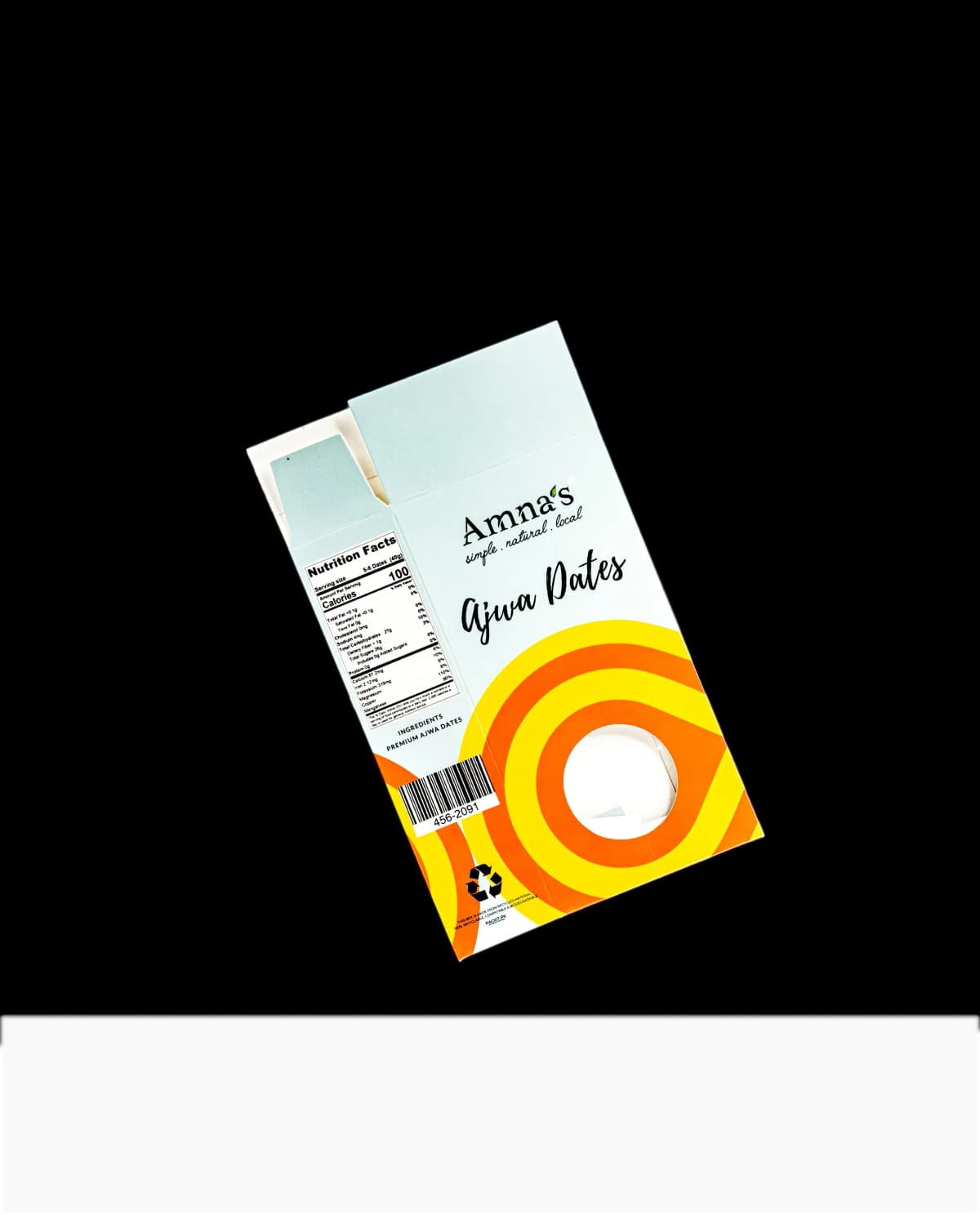
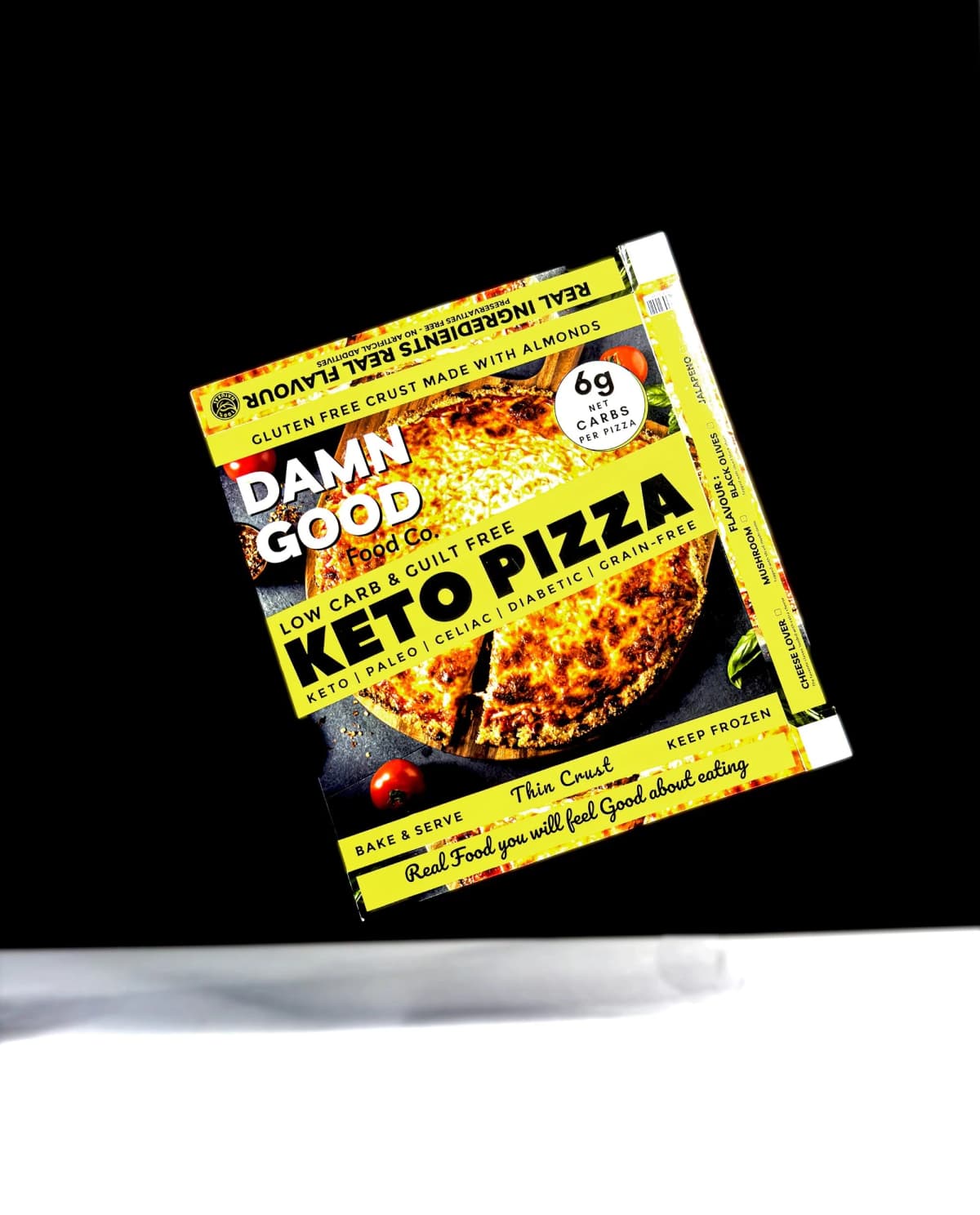
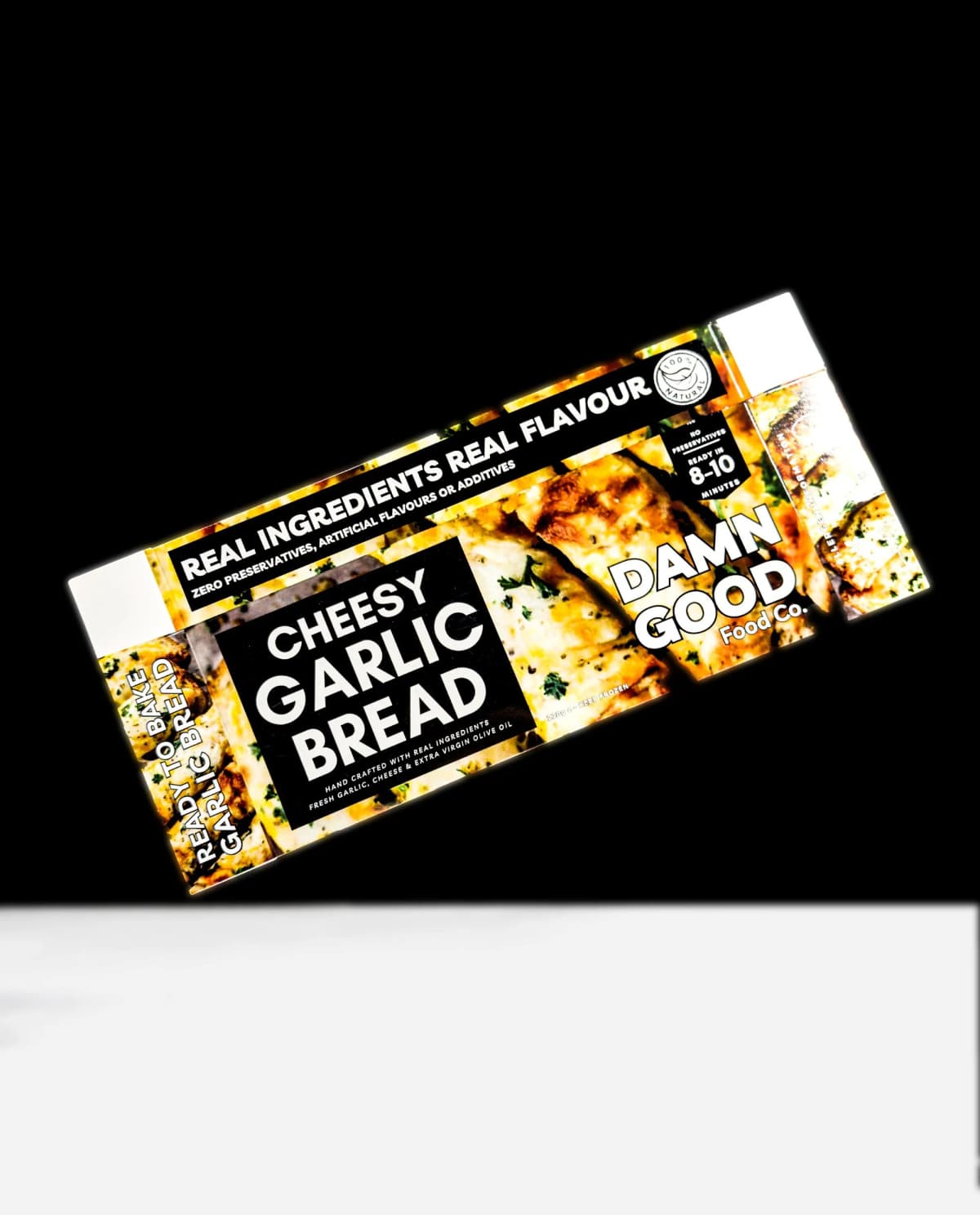
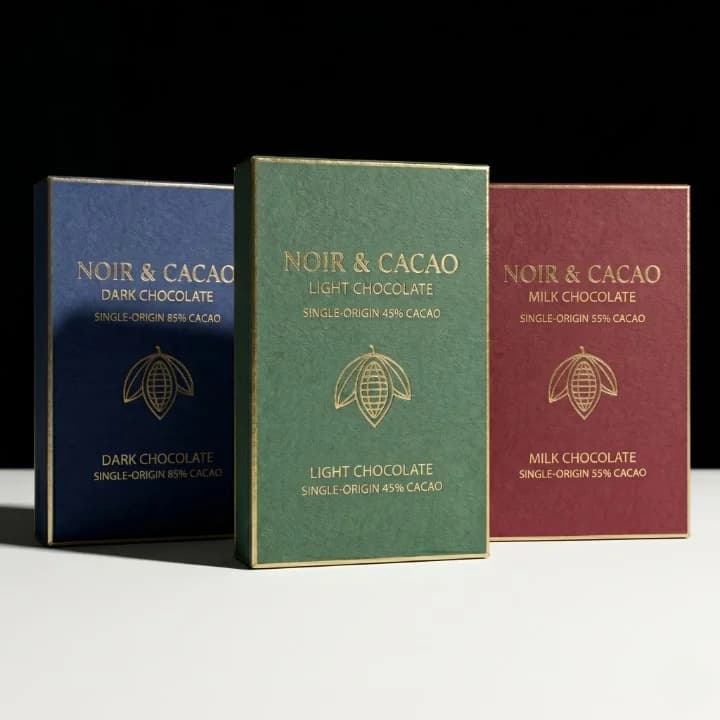
Products in Eco-Friendly Packaging Boxes
Sustainable Packaging Formats We Make
Eco-friendly packaging is a specification rather than a product type, so this range covers the same structures as the rest of the catalogue built to a different brief. Kraft cartons in FSC-certified board suit retail products where the natural look is part of the positioning. Uncoated food-grade boxes handle bakery, dry goods and lightly greasy food while staying compostable. Recycled corrugated mailers and shippers carry direct-to-consumer orders. Paper bags with twisted paper handles recycle as a single item with no separation step. Sleeves and belly bands use a fraction of the material of a full carton, which is often the most effective sustainability decision available.
What Actually Makes a Box Recyclable
Paper and board are among the most recycled materials there are, and packaging usually loses that status through the additions rather than the substrate. Lamination adds a plastic film that has to be separated at some facilities. A poly lining makes a box unsuitable for ordinary paper streams entirely. A PET window, a ribbon handle, or a plastic-reinforced base each turn a single-material item into a mixed one that most customers will not take apart.
The specification with no qualifications attached is uncoated FSC-certified kraft or recycled board, soy-based inks, and no lamination. Where a barrier is genuinely needed, a grease-resistant treatment keeps most of the position without a plastic layer. An aqueous coating is a water-based seal that recycles in ordinary paper streams, unlike film lamination. The full comparison is on our materials and printing page.
Designing Within the Constraints
Sustainable stock imposes two real design constraints, and it is better to plan for them than to discover them at proof stage.
The first is colour. Kraft and recycled boards are brown or grey-brown, so printed colours sit into the stock, whites do not appear without an underlayer, and photographic imagery loses contrast. Designs built from line work, type and one or two spot colours thrive on these stocks; full-bleed photography does not.
The second is that debossing outperforms printing on uncoated stock. A debossed logo catches light against the rough surface and reads clearly with no ink at all, which is why so much natural-brand packaging uses it. Blind embossing works the same way in reverse. Both add nothing that has to be separated later.
Choosing Between Sustainable Options
Start from what the product actually needs. If it is dry and light, uncoated kraft with no lamination is both the cheapest option and the most recyclable, and there is no trade to make. If it is wet, greasy, or moisture-sensitive, you are choosing between product performance and end-of-life, and the honest answer is usually a grease-resistant treatment rather than either extreme.
If the product ships direct to customers, right-sizing the box does more for its footprint than the stock choice does. A box 30mm oversized in each dimension ships air on every order, uses more void fill, and adds dimensional weight for the life of that box.
Making a Claim You Can Defend
Sustainability claims are checked more closely than they used to be, and an overstated one costs more trust than a modest accurate one earns. Describing a poly-lined box as recyclable because the fibre is recyclable does not survive scrutiny. Food contamination complicates the picture further - a container that held a curry is not going into a paper stream regardless of its specification.
The most defensible approach is usually to print what the box is made of and what to do with it, rather than a general claim. It is also the most useful thing a customer can read at the point of disposal, and it costs nothing but panel space. For what the new state recycling laws mean for small brands, see our packaging trends 2026 guide.
Ordering Sustainable Stock
Runs start at 100 units per style, with no die, plate, or setup charge at any quantity. Volume pricing applies from 500 units upward. FSC-certified kraft, recycled cardboard and soy-based inks are available on any structure in the catalogue at no structural change, so an existing box can usually be re-specified without a new dieline. Lead time is 10-15 business days after you approve the proof, or 8-10 on a rush, with free delivery anywhere in the USA and a dieline and a digital proof included.
To quote, send the product dimensions and tell us what the box has to resist - moisture, grease, or nothing in particular. That determines whether an uncoated recyclable stock is genuinely an option or whether a barrier is needed, and it is the honest starting point for any claim you want to print.
Why Choose Our Eco-Friendly Packaging Boxes
Genuinely Sustainable Materials
We use kraft paper, recycled cardboard, and biodegradable materials that reduce environmental impact without compromising on packaging quality or durability.
Full Customization
Choose your size, shape, material, and print finish to create eco-friendly packaging that perfectly represents your brand and sustainability values.
Free Design Support
Our in-house design team works with you from concept to final approval with a digital proof included with every order.
Frequently Asked Questions
Got questions? We have answers. If you need anything else, get in touch.
We use kraft paper, recycled cardboard, and biodegradable materials. All options are available with sustainable soy-based inks and water-based coatings.
Yes. All our eco-friendly packaging is fully custom printed with your logo, brand colors, and product information.
Yes. Our kraft and recycled cardboard materials are food-safe and suitable for direct food contact packaging such as pizza boxes and cake boxes.
Your digital proof arrives within 24 to 48 hours of placing your order. Production takes 10-15 business days depending on order size.
Our minimum order is 100 boxes per style. Volume discounts are available for larger orders.
Ready to Make Your Packaging More Sustainable?
Switch to eco-friendly packaging that your customers and the planet will appreciate.