Custom Soap Boxes
Soap is one of the few products where a better box can make the product worse. Handmade and cold-process bars keep curing after they are wrapped, they carry moisture, and their whole appeal is a scent that has to reach the customer. A sealed, fully laminated carton works against all three. Most of the decisions on a soap box are about what to leave out.
FSC Certified
Sustainably sourced paper and board
Food-Grade Safe
FDA-compliant materials for direct food contact
Recyclable options available
Uncoated kraft and paper builds qualify; laminated, foil and rigid builds do not
Sedex Member
Audited for ethical, responsible sourcing
Specifications
- Material
- Cardboard / Kraft
- Printing
- Full-Color CMYK / Offset
- Finish
- Matte / Gloss Lamination
- MOQ
- 100 Units
Printing & Finishing
- Full-Color CMYK
- Spot Colors (Pantone)
- Interior Printing
Let the Bar Breathe
Cold-process soap continues to lose moisture for weeks after it is cut. Sealed inside a laminated box, that moisture has nowhere to go: the bar softens, and the trapped humidity can mark the board from the inside. An uncoated kraft or cardboard box lets the bar keep curing, and it is also the cheaper option.
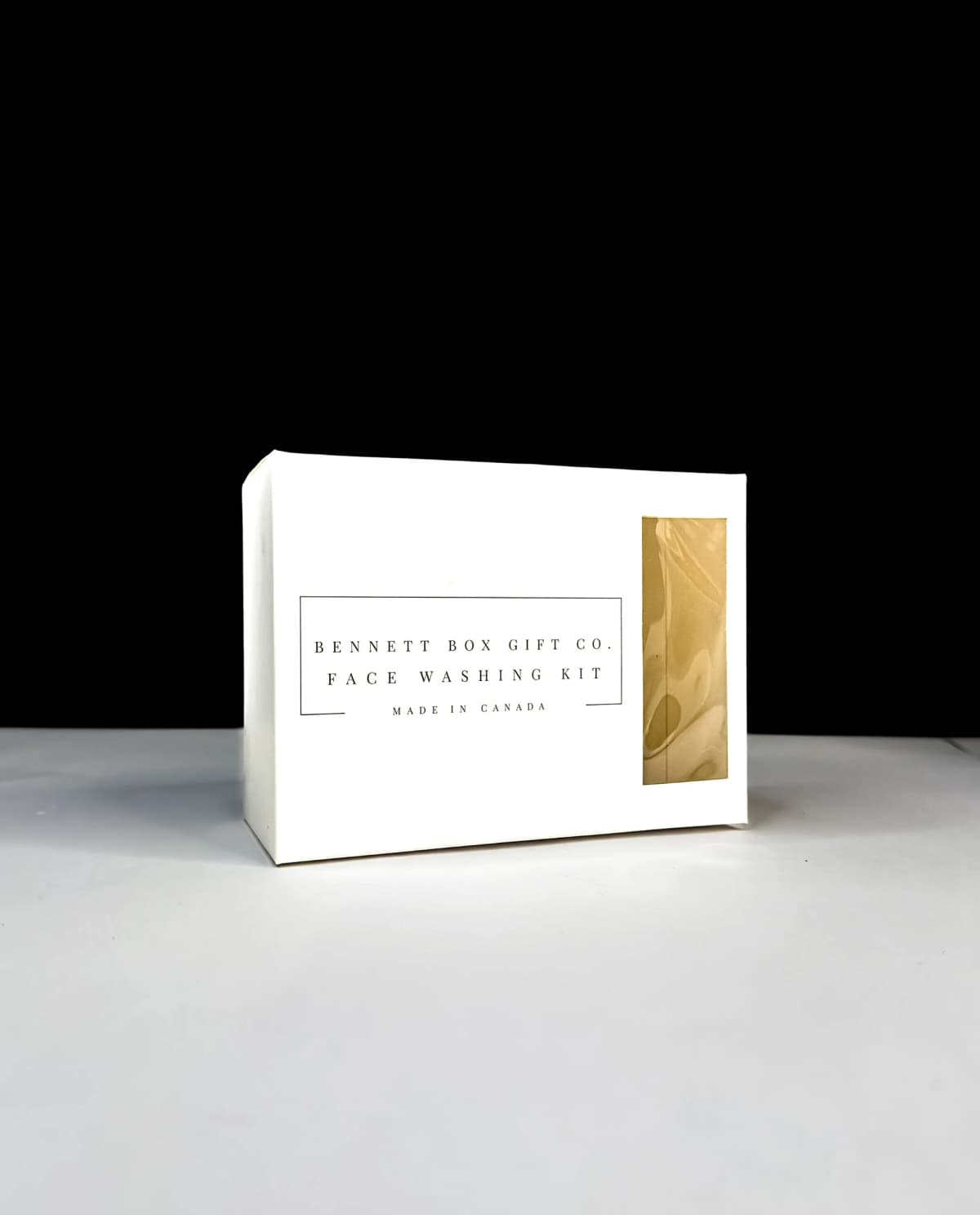
Three structures suit this. A full carton gives you the most print area and the most protection. A sleeve leaves both ends open, so the bar breathes freely and the scent is noticeable at the shelf - which is why so much artisan soap sells in sleeves. A box with a die-cut window or vent sits between the two, showing the bar and giving it air. Melt-and-pour and commercially cured bars are more stable and can take a laminated box without any of this mattering.
Bars Are Not a Consistent Size
Handmade bars are typically 85-100mm long, 55-65mm wide and 25-35mm deep, but the real issue is that they vary batch to batch. Loaf cuts drift by a few millimetres, and cure time changes thickness. A box cut to one perfect bar will not close on a thicker one from the next batch.
Send us the largest bar from a recent batch rather than the nominal dimensions, and we build tolerance into the dieline so the box still closes across the range you actually produce. This is the single most common cause of soap boxes that "do not fit" after production.
The Most Recyclable Build We Offer
Soap brands tend to care about this more than most, and it is one of the few products where the fully sustainable option is also the best functional choice. Uncoated FSC-certified kraft with soy-based inks and no lamination is curbside recyclable and compostable with no separation step, breathes properly, and matches the handmade positioning the category is built on.
The trade-off is print. Kraft is brown, so colours sit into the stock, whites need an underlayer, and photographic artwork loses contrast. Soap branding tends to be line work, type and botanical illustration, which is exactly what kraft handles well - so the constraint and the category align unusually neatly here. Full stock comparisons are on our materials and printing page.
Debossing Instead of Ink
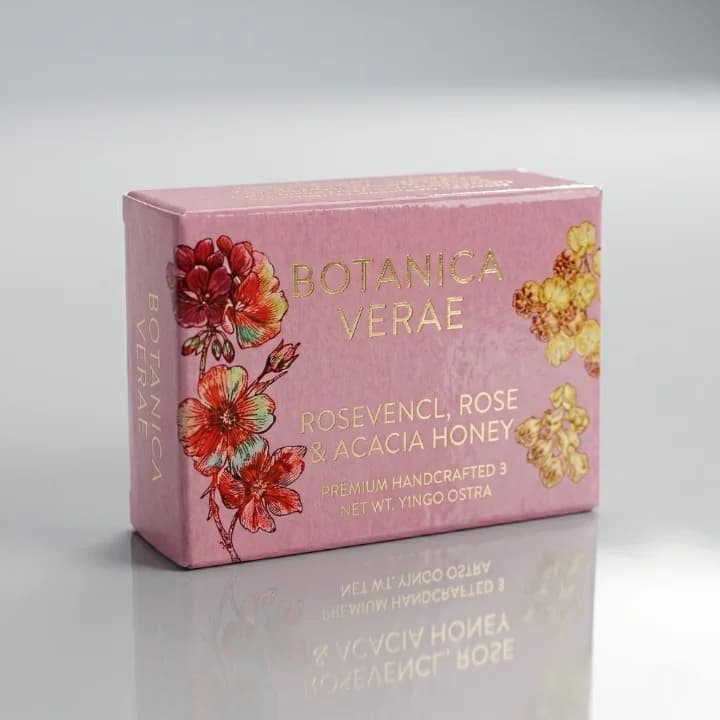
On uncoated kraft, a debossed logo reads clearly with no ink at all, because the impression catches light against the rough surface. It is the most effective premium cue available on a natural soap box, it adds no plastic or coating, and it survives handling far better than a printed detail on an unlaminated surface. Blind embossing works the same way in reverse.
Foil also performs well on kraft precisely because there is so little competing colour, though it does add a metallised layer to an otherwise fully recyclable box - worth weighing if the recyclability claim is central to your brand.
Common Soap Box Sizes
- Standard handmade bar: around 95 x 62 x 32mm.
- Slim guest bar: around 75 x 50 x 22mm.
- Round or shaped bar: around 80 x 80 x 30mm.
- Three-bar gift set: around 200 x 70 x 35mm with a partition.
- Sleeve for a standard bar: around 95 x 62mm with open ends.
Internal dimensions, cut with batch tolerance built in.
What Your Panel Copy Has to Carry
How soap is regulated depends on what you claim about it. A bar sold purely as soap is treated differently from one sold as moisturising, exfoliating, or antibacterial - those claims can move the product into cosmetic or drug territory, with the labelling obligations that follow. Confirm which side your product falls on before the artwork is set, because the difference shows up as an ingredient block that either fits comfortably or does not fit at all.
In practice, plan for the bar weight, the ingredient or saponified-oils list, your business details, and the scent or variant name. On a sleeve you have two panels to work with rather than five, so the ingredient list usually goes on the reverse and the branding on the front - which is one reason some brands choose a full carton despite preferring the sleeve aesthetically.
Sets and Retail Presentation
Soap sells heavily as gift sets and as retail multipacks. A two-piece box or a tray-and-sleeve with a partition holds three to six bars in separate cells, which stops them rubbing and keeps the scents from blending. For counter sales, a printed display holding a dozen sleeved bars sells the range as a block rather than as loose stock.
Requesting a Quote
Measure the largest bar from a recent batch, not an average one. Tell us the soap type as well, because cold-process needs to breathe and melt-and-pour does not, and that changes whether we recommend a box, a sleeve or a window. Related: bath bomb boxes, candle boxes, and the eco-friendly range.
Custom Soap Boxes — FAQs
Got questions? We have answers. If you need anything else, get in touch.
Cold-process and handmade soap does. A fully laminated, sealed box traps moisture and can soften the bar or mark the board. An unlaminated kraft box, or one with a die-cut window or vent, lets the bar cure and keeps the scent noticeable on shelf.
Uncoated FSC kraft with soy-based inks and no lamination - that combination stays curbside recyclable and compostable with no separation step. Skipping lamination also suits the handmade positioning most natural soap brands are aiming for.
Handmade bars are usually 85-100mm long, 55-65mm wide and 25-35mm deep, but cut bars vary batch to batch. Give us the largest bar from a recent batch and we will build in the tolerance so the box still closes on the thicker ones.
Ready to start your project?
Tell us what you need. We get back to you within a business day.