Rectangular Boxes
Custom rectangular boxes in tuck-end, seal-end, two-piece, and auto-bottom configurations. The most versatile packaging structure in wholesale manufacturing. From 100 units with digital proofs.
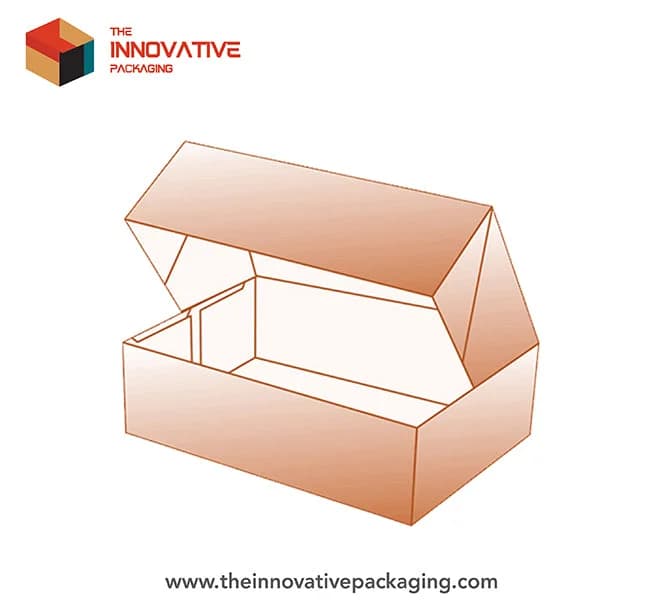
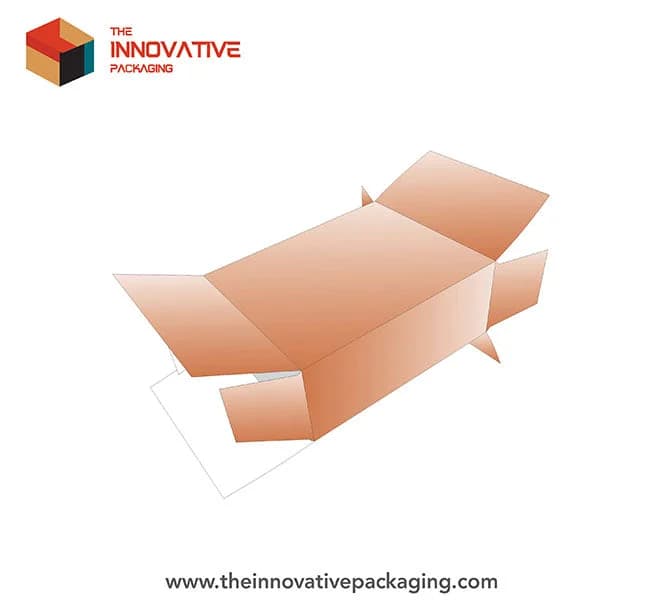
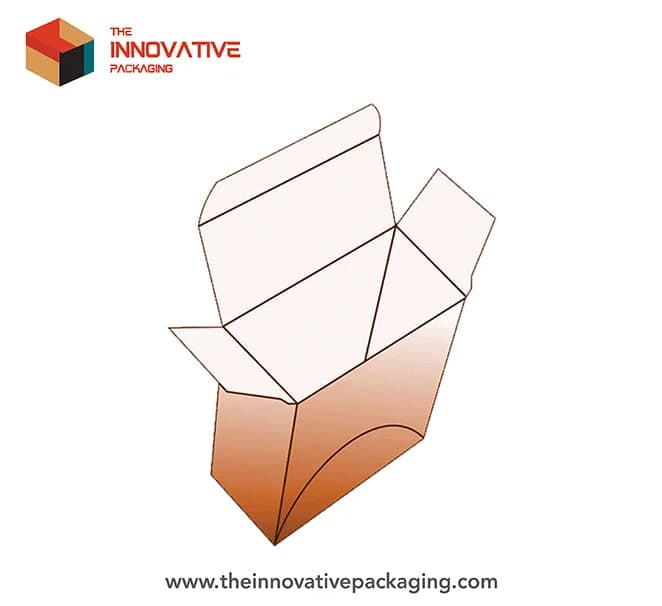
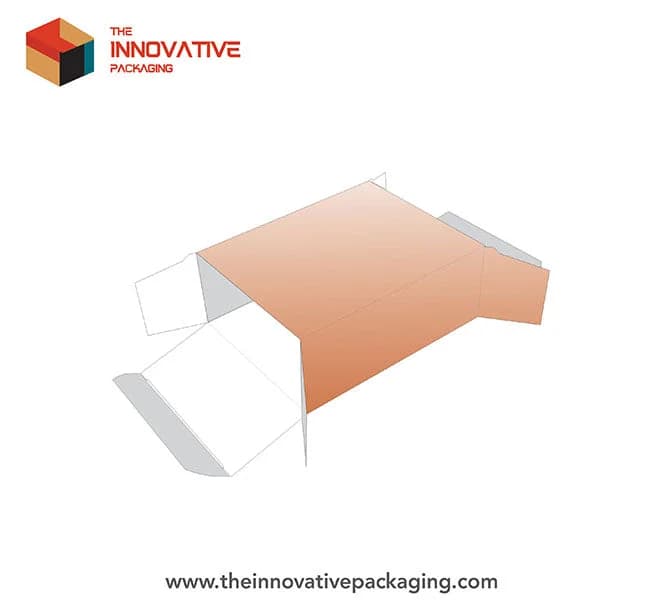

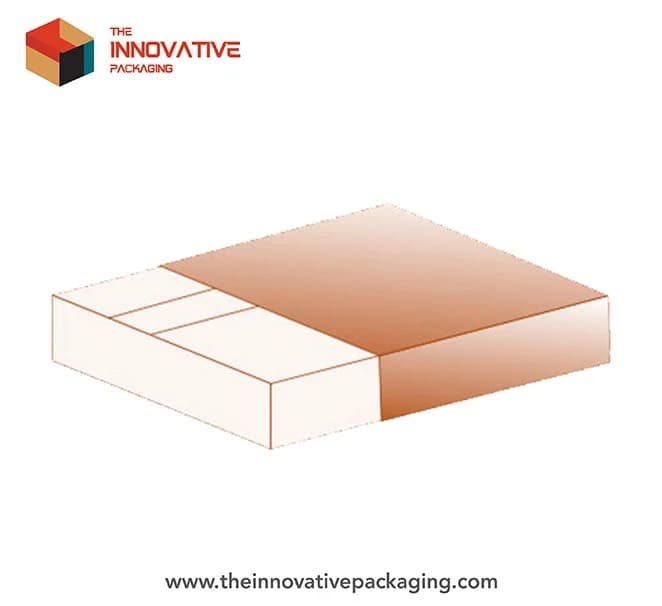
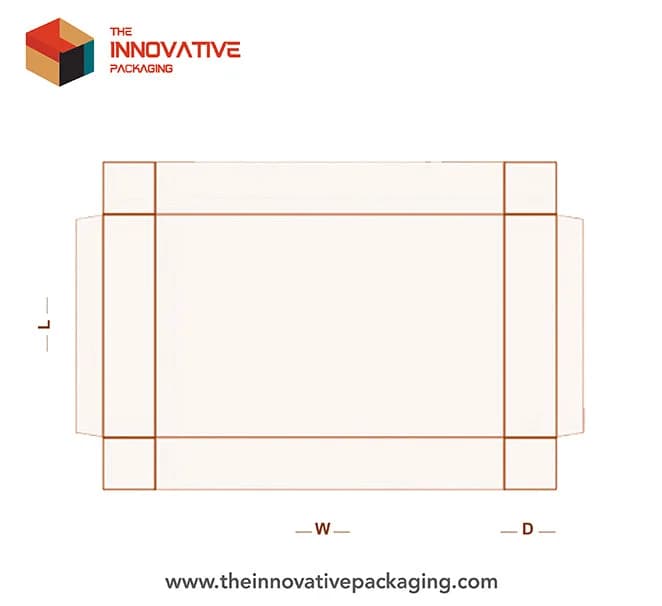
Rectangular Box Styles We Produce
Rectangular cartons are the default geometry of packaging, and this range covers the structures built on it. Straight tuck end boxes fold both flaps from the same direction for a clean front panel. Reverse tuck ends fold them oppositely and use slightly less material. Full overlap seal-end boxes glue closed at both ends for strength and tamper evidence. Straight tuck boxes with a customisable window add a die-cut aperture where the product sells itself. Tray-and-sleeve builds separate the box into a drawer and an outer. Two-piece boxes use a lift-off lid. Four-corner cake boxes give a continuous flat base with no seam. Dispenser boxes add a perforated opening for products taken one at a time.
Materials Across the Range
Because rectangular cartons cover such a spread of uses, stock choice varies more here than in any other style family. Light retail products sit happily on 12-14pt. Cosmetics, supplements and anything premium want 18-24pt, where the box stops giving under finger pressure. Food contact requires a food-grade specification, which is set at quote stage rather than added later. Anything that ships on its own needs corrugated rather than cardboard, regardless of caliper.
Our materials and printing page sets out the caliper range, coatings and specialty finishes in full.
Why Rectangles Cost Less
Rectangular boxes are cheaper than shaped alternatives for three compounding reasons, and so it helps to know them before commissioning a custom silhouette. Rectangular dielines nest efficiently on a press sheet, so less board is wasted per unit. They fold and glue on standard equipment without additional handling. And they ship and store densely, both flat-packed and assembled, which shows up in freight and warehouse cost rather than in the unit price.
That is why a rectangular carton with strong artwork and a good finish will usually outperform a shaped box at the same budget - the money goes into stock weight and finishing rather than into the die.
Choosing Between the Rectangular Styles
Straight tuck end for most light retail products, where the front panel matters and cost matters. Reverse tuck end where material efficiency matters more than the front panel. Seal end where the box should be tamper-evident or filled on a line. Window boxes where the product's appearance is the selling argument - though windows remove panel strength, so keep the aperture away from corners and folds. Tray and sleeve, or two-piece, where the opening should be slow and presentational. Four-corner trays where a continuous flat base matters, which is why they dominate bakery.
If you are starting from the product rather than the structure, our product boxes page runs through the decision in order.
Sizing and Print Area
Give us length x width x depth at the product's widest point, assembled with any cap fitted. Dielines are drawn to internal dimensions. A rigid product wants a millimetre or two of clearance per axis; anything soft-sided or insert-bound wants more.
Every exterior panel is printable, and interiors are printed at no extra cost. The practical limit is not the press but the fold: artwork that crosses a crease will show the fold, so logos, barcodes and any fine detail should sit within a panel rather than across one. Barcodes in particular need a flat area with a quiet zone around them, or they will not scan reliably.
Think about panel proportions before the artwork, not after. A tall narrow carton gives you a front panel with very little width, so a horizontal logo has to shrink to fit while a stacked or vertical lockup fills the space. A wide flat carton has the opposite problem. Where a brand runs several products in different proportions, designing the identity to work in both orientations from the start saves rebuilding it per SKU - and keeps the range looking like a range when the boxes sit together on a shelf.
Quantities, Pricing and Turnaround
Runs begin at 100 units per style. Since we do not charge for dies or plates, ordering three sizes costs unit price rather than three tooling charges. Volume pricing kicks in from 500 units. Production is 10-15 business days from proof approval, 8-10 on a rush, with free US shipping and a dieline and a digital proof on every order.
To quote, send the product dimensions with any cap or lid fitted, the quantity, and whether the box is sold on a shelf or shipped on its own. If you are unsure which of the rectangular styles fits, describe the product and we will recommend one - the choice is usually settled by weight, how the box should open, and whether the contents need to be visible on the shelf.
Why Choose Our Rectangular Boxes
Universal Compatibility
Rectangular structures work across cosmetics, food, retail, e-commerce, and gifting. One format, every industry.
Efficient Shipping
Consistent dimensions mean rectangular boxes stack, pack, and ship more economically than irregular shapes, reducing your per-unit freight cost.
Full Customization
Every dimension, print finish, and structural variant is available. Custom sizing to fit your exact product from 100 units.
Frequently Asked Questions
Got questions? We have answers. If you need anything else, get in touch.
We produce tuck-end, reverse tuck-end, seal-end, auto-bottom, two-piece lid and base, and tray and sleeve rectangular configurations.
Yes. Multiple sizes and styles can be combined in a single order, each with a minimum of 100 units per variant.
10-15 business days after artwork approval depending on order size.
Yes. Kraft and recycled board options are available across all rectangular styles.
The full exterior surface can be printed. We also offer interior printing on request.
Order Custom Rectangular Boxes Wholesale
Choose from 8 rectangular styles, all built to your exact dimensions with full-color printing.