Custom Cardboard Boxes
Cardboard is the default packaging material for a reason: it prints well, folds precisely, costs little, and recycles cleanly. The decisions that matter are which caliper to use, which structure to fold it into, and at what point the job has outgrown cardboard and needs corrugated instead. This page covers all three.
FSC Certified
Sustainably sourced paper and board
Food-Grade Safe
FDA-compliant materials for direct food contact
Recyclable options available
Uncoated kraft and paper builds qualify; laminated, foil and rigid builds do not
Sedex Member
Audited for ethical, responsible sourcing
Specifications
- Material
- Cardboard / Corrugated
- Printing
- Full-Color CMYK / Offset
- Finish
- Matte / Gloss Lamination
- MOQ
- 100 Units
Printing & Finishing
- Full-Color CMYK
- Spot Colors (Pantone)
- Interior Printing
Reading Caliper, and What It Buys
Cardboard is specified in points of caliper, where a point is a thousandth of an inch. The practical range is 12pt to 24pt, roughly 230 gsm to 450 gsm.
What changes across that range is stiffness and how the box feels in the hand, not print quality - a 12pt box and a 24pt box print identically. So the choice is a structural and perceptual one. Lightweight products in a 20pt box gain nothing but cost. Cosmetics in a 12pt box feel cheap regardless of the artwork. The failure people notice is under-specifying: a box that gives under finger pressure undermines whatever is printed on it.
Coated one side is standard, leaving the interior uncoated. Coated two sides costs more and earns it when the box opens flat or the inside is part of the presentation. Full stock details are on our materials and printing page.
Structures We Fold It Into
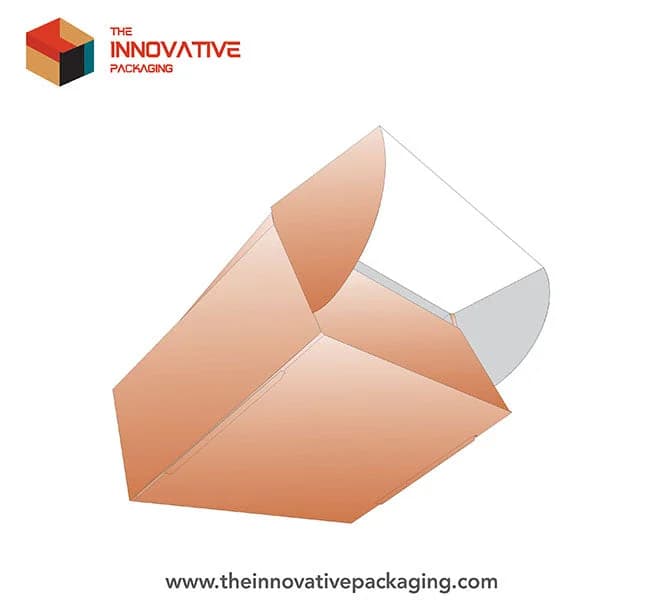
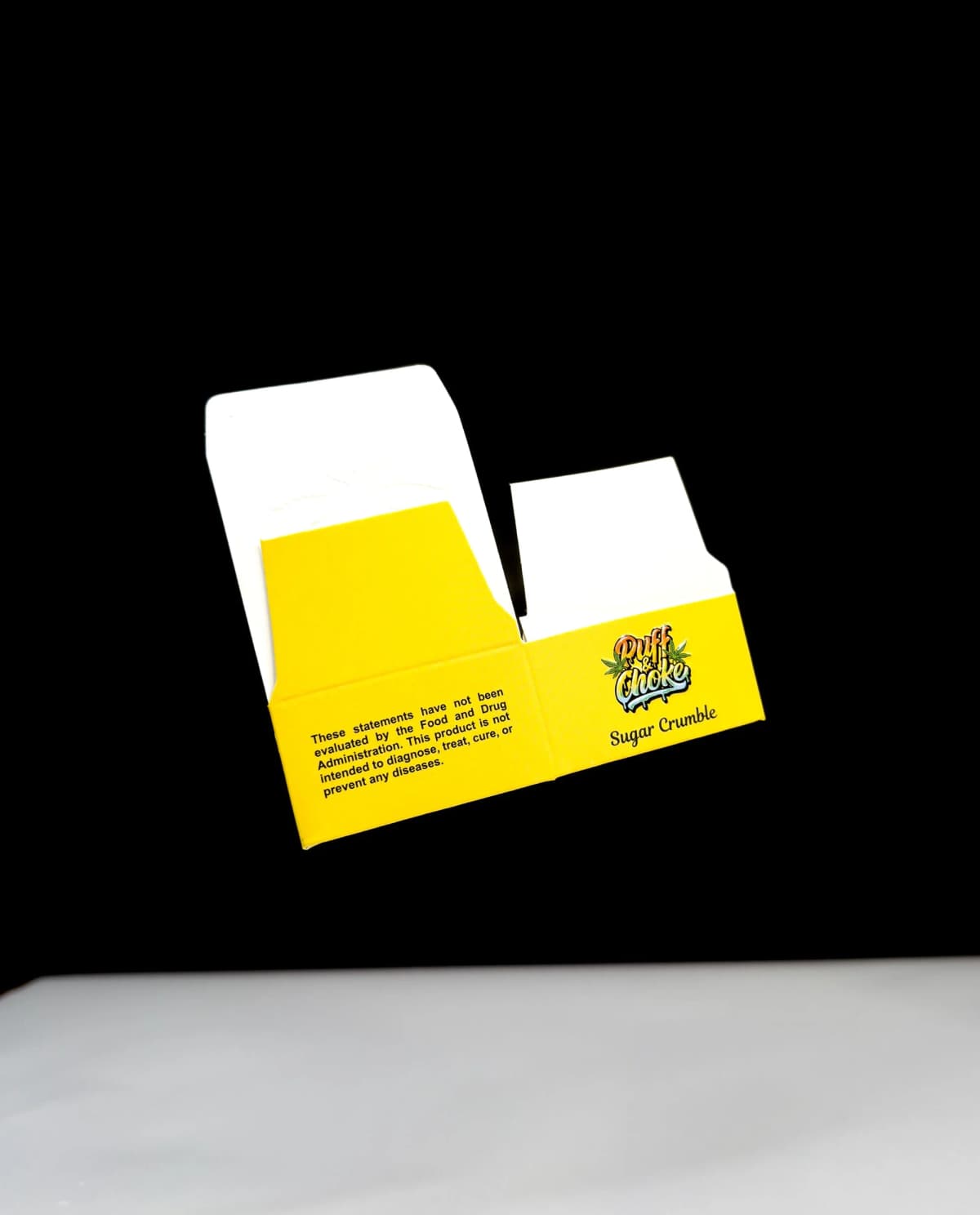
- Straight tuck end: both flaps fold from the same direction, giving a clean front panel. The standard retail carton.
- Reverse tuck end: flaps fold from opposite directions. Slightly more economical on material, marginally less refined at the front.
- Auto-bottom: a pre-glued base that locks square as the box opens. Costs more per unit, pays for itself in fill time, and is the only sensible option for heavier contents.
- Seal end: both ends glued shut. The most tamper-evident folding carton, used where the box must be torn to open.
- Sleeve and tray: two pieces, for a slower, more deliberate opening.
- Hanger carton: a tuck end with a reinforced euro-slot or five-panel tab for peg display.
The full structural range is organised on our box by style page.
Measuring for a Custom Size
Measure at the widest point on each axis and give us length x width x depth. Our dielines work to internal dimensions, so you are describing the space the product needs, not the board around it.
The two errors that recur are measuring an unassembled product and forgetting a lid, cap or applicator that stands proud of the body. If you are unsure, send the product and we will measure it.
Where Cardboard Stops Being the Answer
Cardboard is a retail material. It is designed to look good on a shelf, protect its contents from handling, and be carried home. It is not designed to be handed to a courier on its own.
Three signals that a job has outgrown it: the contents are heavy enough that the base flexes when lifted; the box will be shipped individually rather than inside an outer carton; or the box is over about 300mm across, where a single-wall carton starts to bow under its own span. Any of those points to corrugated - either a mailer box for direct shipping, or corrugated as the retail box itself.
The common setup for brands doing both retail and ecommerce is to use both: a printed cardboard carton as the retail box, inside a corrugated mailer for direct orders.
Sizes We Produce Often
- Small product carton: around 60 x 60 x 100mm.
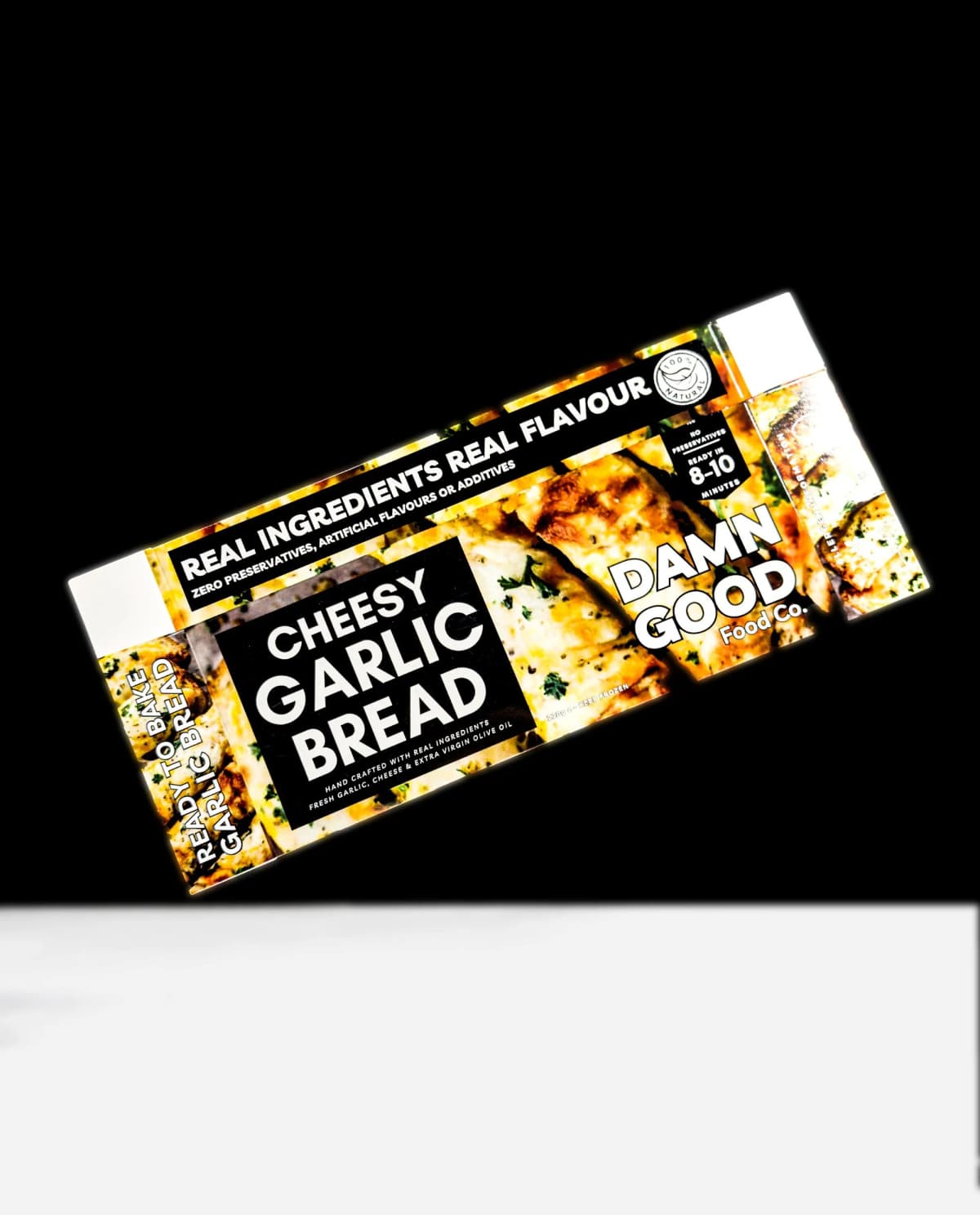
- Standard retail carton: around 100 x 60 x 150mm.
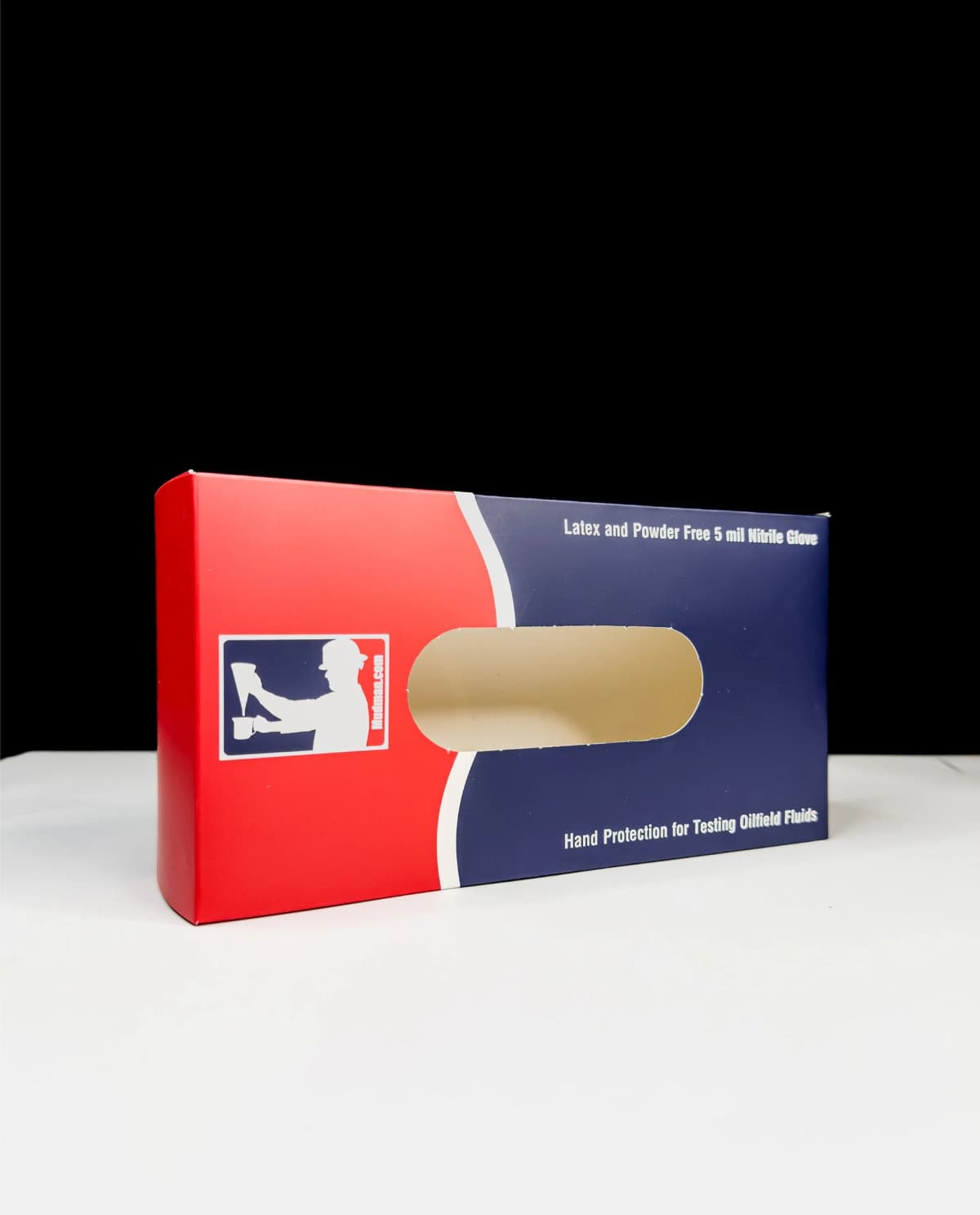
- Wide flat carton: around 200 x 150 x 40mm.
- Tall carton: around 80 x 80 x 250mm.
- Large gift carton: around 300 x 200 x 100mm.
Every box is cut to your product; these are reference points, not a catalogue.
Assembly Time Is a Real Cost
Unit price is the number people compare, and fill time is the one that quietly costs more. A straight tuck end has to be folded into shape, the base tucked, and the product inserted - a few seconds each, which is nothing at 100 units and significant at 10,000.
An auto-bottom costs more per box and snaps into shape in one motion, so it usually wins outright once volumes are meaningful or the packing is done in-house. A seal-end box goes further and is filled and glued on a line rather than by hand. If your packing is manual and your volume is growing, it is worth pricing the structures on total cost rather than unit cost alone.
Printing and Reordering
Full-colour CMYK covers most artwork. Where a brand colour has to be identical across every reprint - and CMYK cannot reliably reproduce strong reds, oranges and deep blues - specify it as a Pantone spot ink instead. That matters most for a range of SKUs that sit together on a shelf, where drift between print runs is visible.
Because there are no die or plate fees, reordering the same box carries no tooling cost, and adding a second size or a variant artwork costs unit price alone at the same 100-unit minimum.
Getting a Quote
Send the product, or its dimensions, plus the quantity. The question that changes the answer most is whether the box ships on its own - if it does, you want corrugated and not cardboard, whatever the caliper. Related: product boxes, kraft paper bags, and the retail box range.
Custom Cardboard Boxes — FAQs
Got questions? We have answers. If you need anything else, get in touch.
For retail folding cartons, 12-14pt suits light products and 18-24pt gives a more substantial feel for cosmetics and premium goods. Anything that ships on its own should be corrugated rather than cardboard, regardless of thickness.
Cardboard is a single solid paperboard, used for printed retail boxes. Corrugated has a fluted layer sandwiched between liners, which is what gives it crush resistance for shipping. Most brands use both - corrugated outside, cardboard for the retail box inside.
Uncoated cardboard is curbside recyclable as is. Lamination adds a plastic film that has to be separated at some facilities, so if recyclability is a priority, skip the lamination or use a water-based coating instead.
Ready to start your project?
Tell us what you need. We get back to you within a business day.