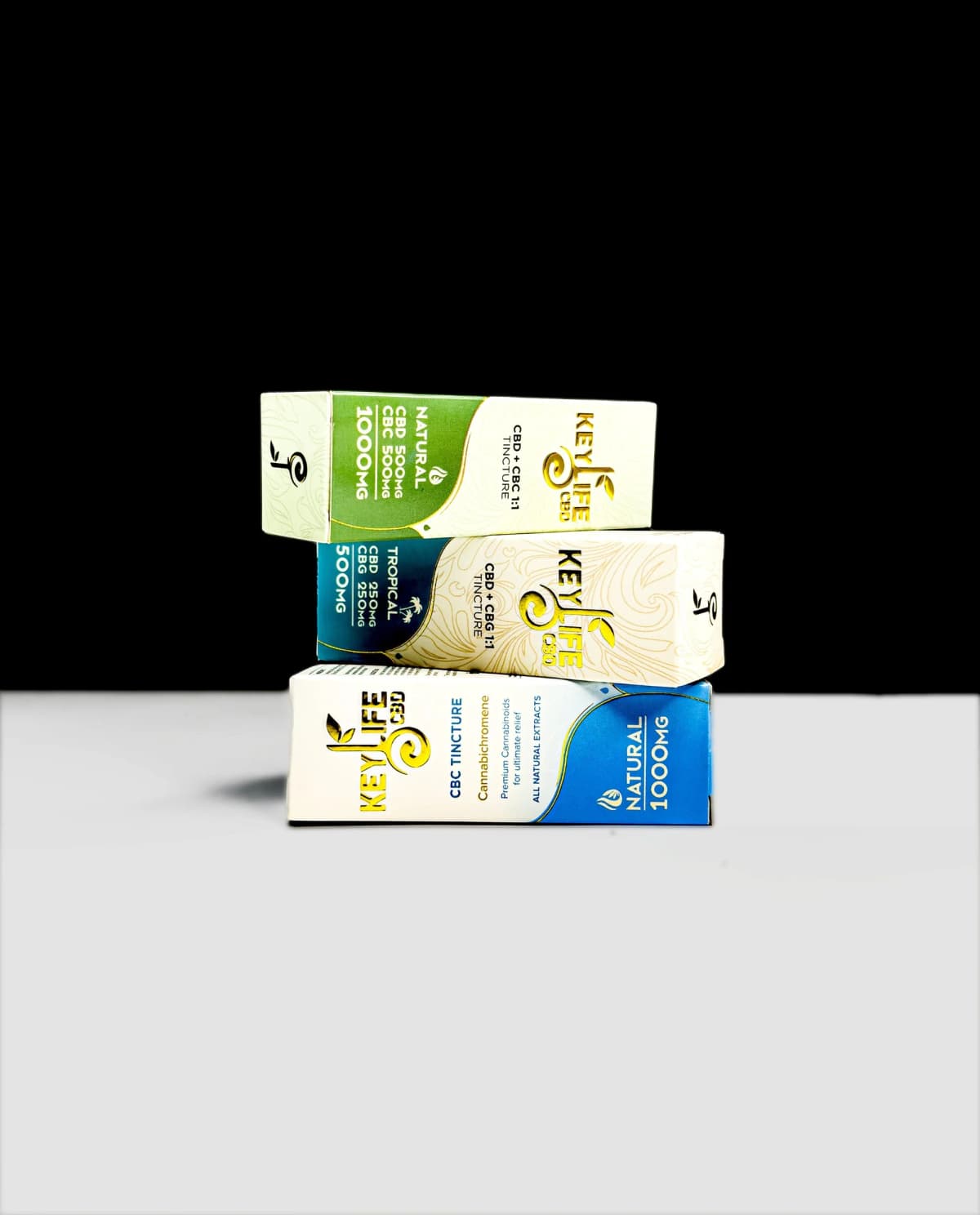
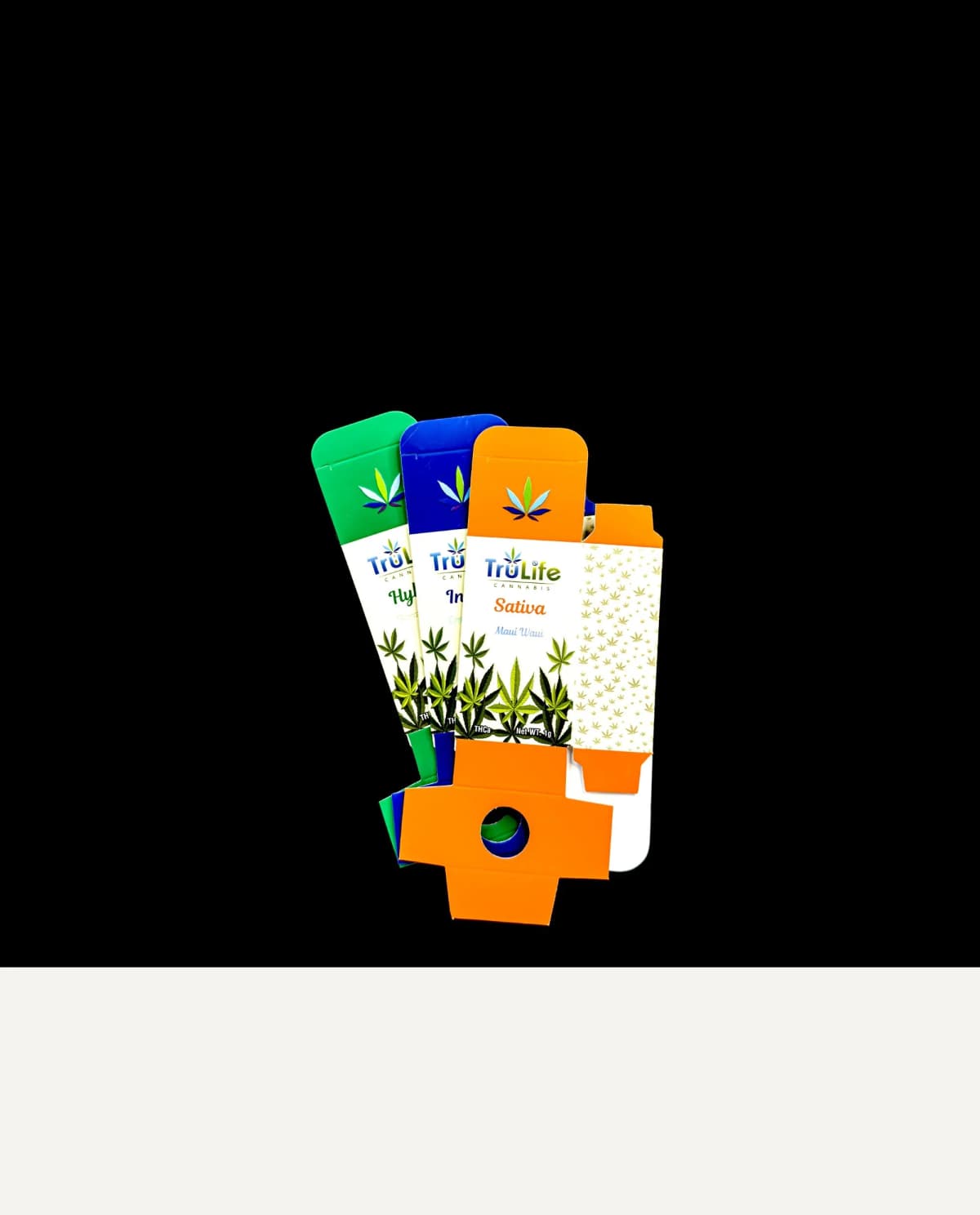
Custom Cannabis Boxes
Cannabis packaging is the one category where the box is a regulated component rather than a marketing decision. Child resistance, opacity, warning symbols and label placement are set by the state you sell in, and they differ enough between states that a box compliant in one is not automatically compliant in the next. We build to the specification you supply and confirm the structure before production.
FSC Certified
Sustainably sourced paper and board
Food-Grade Safe
FDA-compliant materials for direct food contact
Recyclable options available
Uncoated kraft and paper builds qualify; laminated, foil and rigid builds do not
Sedex Member
Audited for ethical, responsible sourcing
Specifications
- Material
- Cardboard / Kraft
- Printing
- Full-Color CMYK / Offset
- Finish
- Matte / Gloss Lamination
- MOQ
- 100 Units
Printing & Finishing
- Full-Color CMYK
- Spot Colors (Pantone)
- Interior Printing
Structure Comes Before Artwork Here
In most categories you design the box and then check it works. In cannabis it runs the other way. Three structural decisions have to be settled first, because each one changes the dieline:
- Child resistance. If your product requires a certified child-resistant closure, that is a mechanism, not a finish - it changes the closure geometry and often the whole box style. Tell us at the quote stage rather than after the artwork is approved.
- Opacity. Several states require the product not be visible in packaging, which removes die-cut windows from the options entirely. Solid stock with a printed interior gives the box some life when it is opened without exposing the contents on shelf.
- Warning symbols. State-mandated symbols have minimum size rules and cannot be scaled to fit around a design. Reserving that space at dieline stage is far cheaper than rebuilding the artwork later.
Formats We Build For
Pre-roll multipacks are the most structurally demanding. Pre-rolls are fragile and cylindrical, so a plain box lets them roll and crush against each other. A fence or punch partition separates each one; for higher counts a two-piece rigid box holds its shape far better than a folding carton and reads as a premium product rather than a container.
Flower jars and tins are heavy for their size, which points to an auto-bottom base. Glass jars in particular need a base that locks under load - a tuck bottom will eventually give.
Edibles usually pair a pouch or tray with an outer carton, and the carton carries the compliance load. Concentrates come in small glass or silicone containers that need an insert, or they will disappear into a box cut to a rounded size.
Vape hardware has its own builds: cartridge boxes and disposable vape boxes.
Exit Packaging and Dispensary Fulfilment
Dispensaries in many states have to send product out in child-resistant exit packaging, which is a second packaging problem sitting on top of the product box. If you supply dispensaries, find out which exit bag or box your product ends up in, because a carton sized without that in mind can make the whole order awkward to bag.
The related detail is facings. Dispensary shelf space is tight and heavily standardised, and a box that is 10mm wider than the category norm often loses the placement. If you know the fixture you are selling into, tell us before the dieline is drawn.
Print Considerations Specific to This Category
Two things come up repeatedly on cannabis artwork. The first is that mandated warning copy and symbols usually have to sit in a high-contrast relationship with their background, which rules out placing them over a busy photographic area - worth resolving in the layout rather than at proof stage.
The second is colour consistency across a range. Cannabis brands typically launch with several strains or strengths that share one design with a changing colour block. If those colours are built from CMYK they will drift slightly between print runs; specified as Pantone spot inks they will not. On a shelf where your own SKUs sit side by side, that drift is visible. Stock, ink and finishing options are covered on our materials and printing page.
Sustainability Without Losing Compliance
Sustainable stock is easier in cannabis than in most categories, because the regulations that constrain the box tend to push in the same direction. Opacity requirements rule out windows, and a solid unlaminated board is both more opaque and more recyclable than a laminated one with a PET window in it. FSC-certified kraft, recycled cardboard, and soy-based inks are all available with no structural change.
The one genuine conflict is colour. Recycled and kraft stocks are grey-brown, so vivid brand colours and warning symbols that need high contrast both suffer. Where a mandated symbol has to stay legible, we either print a white base layer under it or move the range to coated board and keep the sustainability claim to the stock's recycled content rather than its appearance.
Common Cannabis Box Sizes
- Eighth jar (3.5g): around 60 x 60 x 75mm, auto-bottom for glass.
- Pre-roll single tube carton: around 25 x 25 x 120mm.
- Five-pack pre-roll: around 90 x 30 x 115mm with a fence partition.
- Edible carton: around 100 x 25 x 150mm, sized to hold a pouch or tray flat.
- Concentrate container: around 45 x 45 x 30mm, with an insert.
All internal dimensions, and all built to your product rather than picked from this list.
What We Need to Quote
Send the product format and dimensions, the states you are selling in or the specification you are building to, whether a child-resistant closure is required, and whether the product must be concealed. We will confirm the structure, quote within 24 hours, and supply a dieline and a digital proof before anything goes to press.
One thing specific to this category: because there is no tooling charge, a range that launches as six SKUs costs the same to originate as one. That is usually what decides whether a brand stages a launch or does it in a single run. The wider category sits on our CBD and cannabis packaging page.
Custom Cannabis Boxes — FAQs
Got questions? We have answers. If you need anything else, get in touch.
Compliance is set by your state, not by the box, and the rules differ significantly between them. We build to the spec you supply, including child-resistant structures and opaque stock where required. Send us the regulations you are working to and we will confirm the structure before production.
Yes. Several states require that the product is not visible through the packaging, which rules out die-cut windows. We use solid stock with interior printing so the box still feels considered when opened, without exposing the contents on the shelf.
A tuck-end box with a fence or punch partition keeps pre-rolls separated and stops them shifting in transit. For larger counts, a two-piece rigid box holds its shape better and feels closer to a premium product.
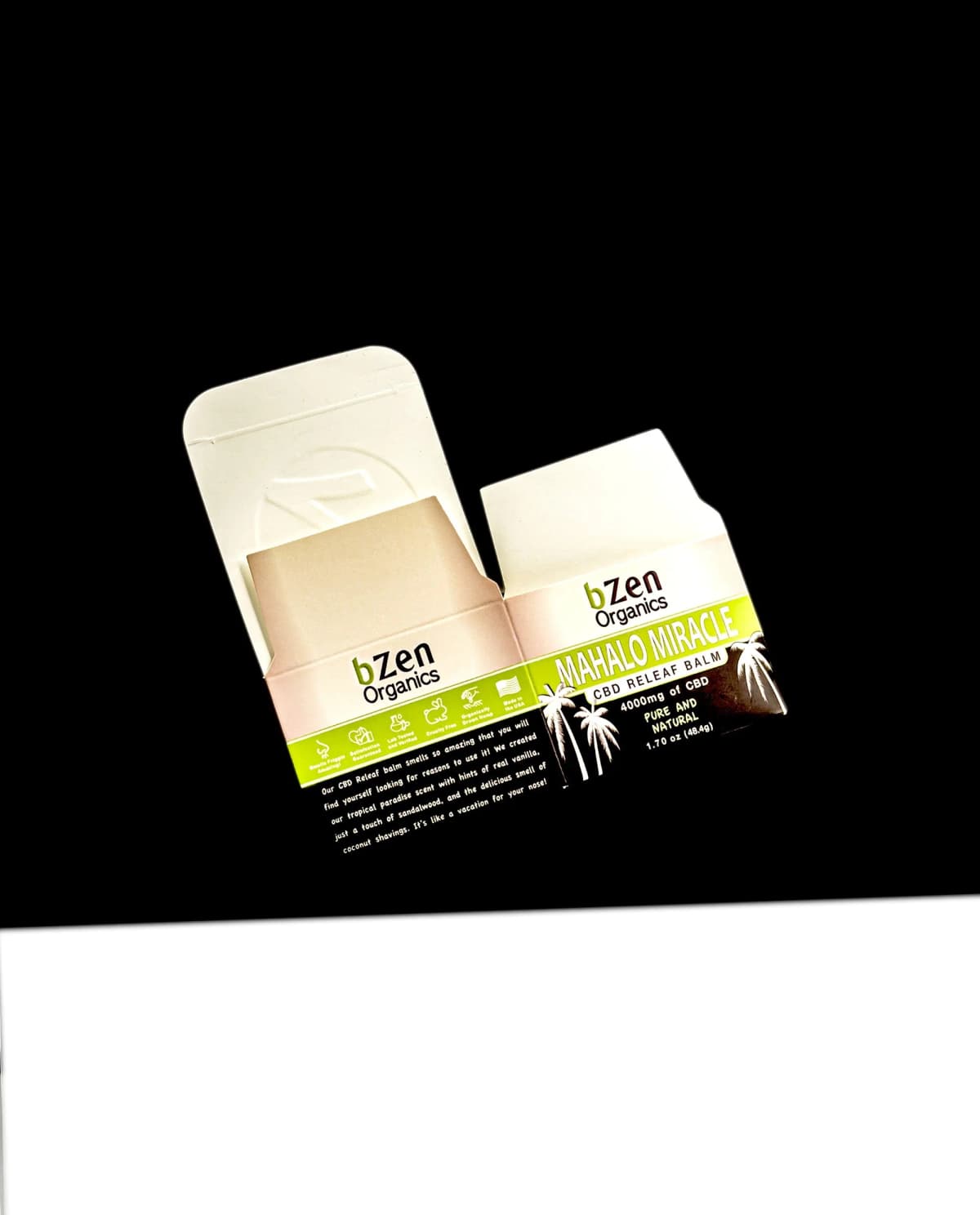
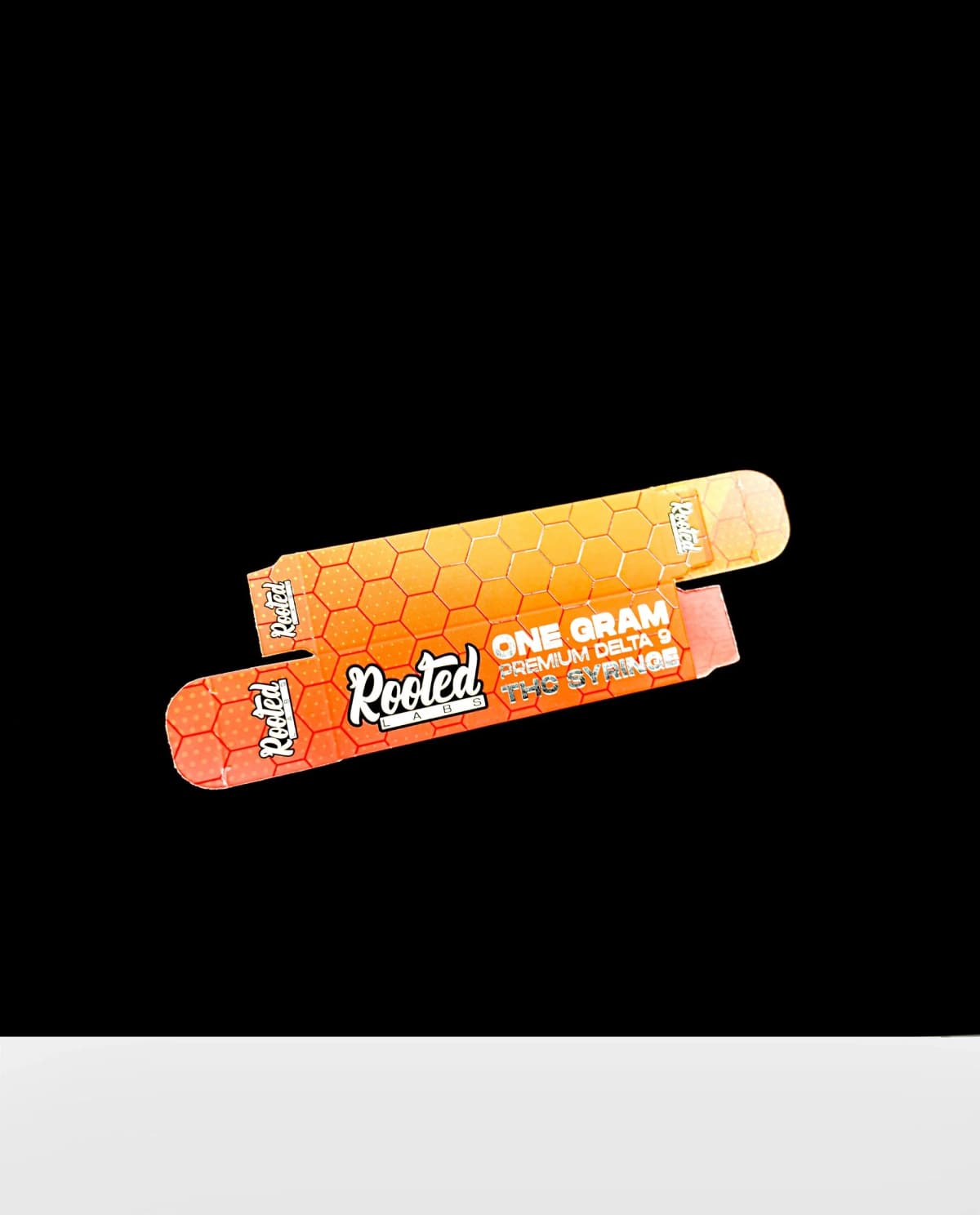
Ready to start your project?
Tell us what you need. We get back to you within a business day.