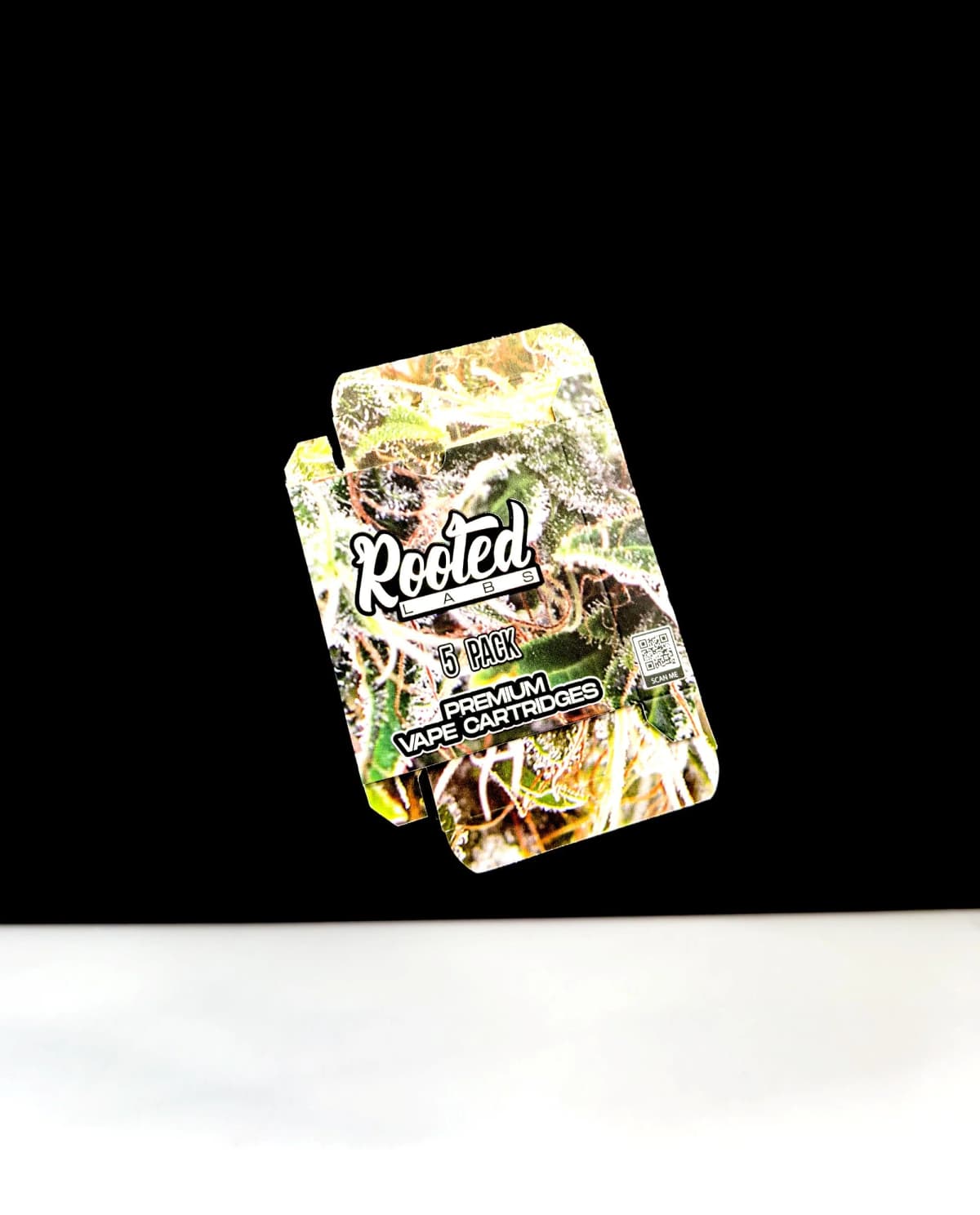
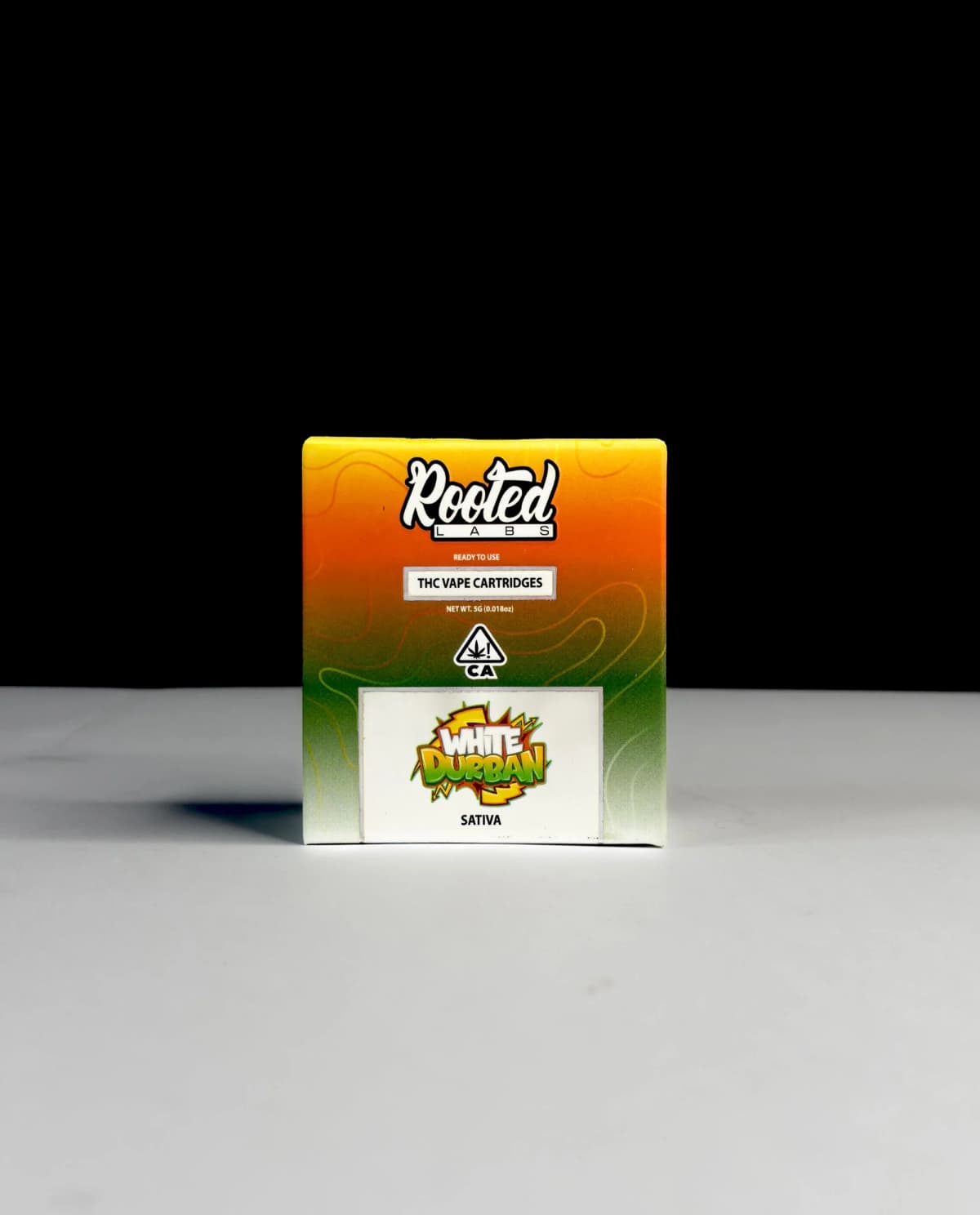
Custom Vape Cartridge Boxes
Cartridge boxes are the smallest thing we print regularly, and small changes everything. A 510-thread cartridge is roughly 20mm across and 90mm long, weighs almost nothing, and has a glass or ceramic body that chips. A box cut to a convenient round number lets it rattle; a box cut to the cartridge holds it like it was made for it, because it was.
FSC Certified
Sustainably sourced paper and board
Food-Grade Safe
FDA-compliant materials for direct food contact
Recyclable options available
Uncoated kraft and paper builds qualify; laminated, foil and rigid builds do not
Sedex Member
Audited for ethical, responsible sourcing
Specifications
- Material
- Cardboard / Kraft
- Printing
- Full-Color CMYK / Offset
- Finish
- Matte / Gloss Lamination
- MOQ
- 100 Units
Printing & Finishing
- Full-Color CMYK
- Spot Colors (Pantone)
- Interior Printing
Why Cartridges Need an Insert
Most products are held in place by their own weight. A cartridge is not - it is light enough to move inside any box with clearance, and it will keep moving through the whole delivery chain. The fix is a paperboard or foam insert cut to the cartridge profile, which does two things at once: it stops movement, and it turns the opening moment into a presentation rather than a cartridge falling out into someone's hand.
For multipacks the insert becomes structural. A fence partition or a punched tray keeps two, three or five cartridges separated so they cannot strike each other, which is the single most common cause of chipped glass in transit. Tube-style packaging is the alternative for single units - see cartridge tube boxes.
The Smallest Box We Can Fold Reliably
We regularly produce cartridge boxes down to around 20 x 20 x 90mm. Below that, folding and gluing tolerances start to show: a crease that is half a millimetre out is invisible on a 100mm-wide carton and obvious on a 15mm one. At that point a rigid two-piece box or a sleeve-and-tray becomes the more reliable structure, and it also feels closer to the product value in the concentrate market.
The other consequence of a small footprint is that panel space runs out fast. A cartridge box has maybe 20mm of usable width per panel once you allow for folds. That is enough for a logo and a strain name on the front, and not much else - which is why almost everything informational ends up on the back panel, the base, or inside.
Batch Codes, COAs and Variable Data
Cartridges are a batch-tracked product, and the packaging has to carry that without being reprinted every batch. Two workable approaches:
- Reserved clear area. We leave an unprinted zone sized for a batch label applied at fill. One print run then covers many batches, which is almost always the cheaper route.
- Printed in the run. Digital printing handles variable data, so batch numbers or serialised codes can be printed directly. This ties a print run to a batch, so it only makes sense at higher batch volumes.
A QR code to the certificate of analysis is now standard in the category. It prints down to about 15mm reliably on coated stock; below that, scanning gets unreliable on matte and kraft surfaces where the contrast is lower. On a box this small, 15mm is a real chunk of a panel, so place it deliberately rather than fitting it in last.
Strain and Strength Ranges
Cartridge brands almost always run a range - indica, sativa, hybrid, or several strengths - and the shelf problem is the same one disposables have. One base design with a changing colour block keeps the range coherent and makes each new strain an artwork edit rather than a redesign. Specify those colours as Pantone spot inks if they carry the distinction between products, because CMYK builds drift enough between runs to be noticeable when your SKUs sit next to each other.
Where the range is sold in a dispensary case rather than on an open shelf, remember the customer sees the box from above through glass. The top panel is doing more work than it would in any other retail context, and it is usually the panel brands leave blank.
Folding Carton or Rigid?
Cartridges sit at the price point where both structures make sense, and the decision usually comes down to where the product is sold and what it costs.
A folding carton is the right default. It ships flat, costs least per unit, prints beautifully, and with a fitted insert it holds a cartridge perfectly well. For a range sold in volume through dispensaries, this is almost always the answer.
A rigid two-piece box costs more per unit and arrives assembled rather than flat, which also makes it bulkier to store. What it buys is weight in the hand and an edge that stays crisp - the difference customers read as premium without being able to name why. For limited runs, high-strength concentrates, and gift or collector formats, it earns the difference. It is also the more reliable structure below about 20mm, where folding tolerances start to show.
Stock and Finish on a Small Format
Small boxes reward heavier board. At 12-14pt a cartridge box feels flimsy in the hand because there is so little of it; 18-24pt gives the same box a noticeably more substantial feel for a marginal cost difference on a footprint this size. Kraft works well here for the natural-product positioning, with the usual trade-off that printed colour sits into the brown stock. Soft-touch lamination is popular in the concentrate market and is the finish most often described as premium by customers. Our materials and printing page sets out the full range.
Quoting a Cartridge Box
Measure the cartridge with the mouthpiece on - that is the dimension people forget - and tell us the pack count and whether you want an insert. We will come back with a structure and a price, then a dieline and digital proof to approve. See also printed cartridge boxes and the full CBD and cannabis range.
Custom Vape Cartridge Boxes — FAQs
Got questions? We have answers. If you need anything else, get in touch.
Cartridges are light and slim, so they rattle in any box cut to a rounded stock size. A foam or paperboard insert cut to the cartridge profile fixes it, and doubles as a presentation tray when the box is opened.
Yes. We can leave a clear panel area for batch numbers and lab codes, either printed in the run or left blank for you to label per batch. A QR code linking to the COA is the most common approach and prints down to about 15mm reliably.
We regularly produce boxes down to around 20 x 20 x 90mm. Below that, folding and gluing tolerances start to affect consistency, and a rigid two-piece or a sleeve-and-tray becomes the more reliable structure.
Related Products
Ready to start your project?
Tell us what you need. We get back to you within a business day.