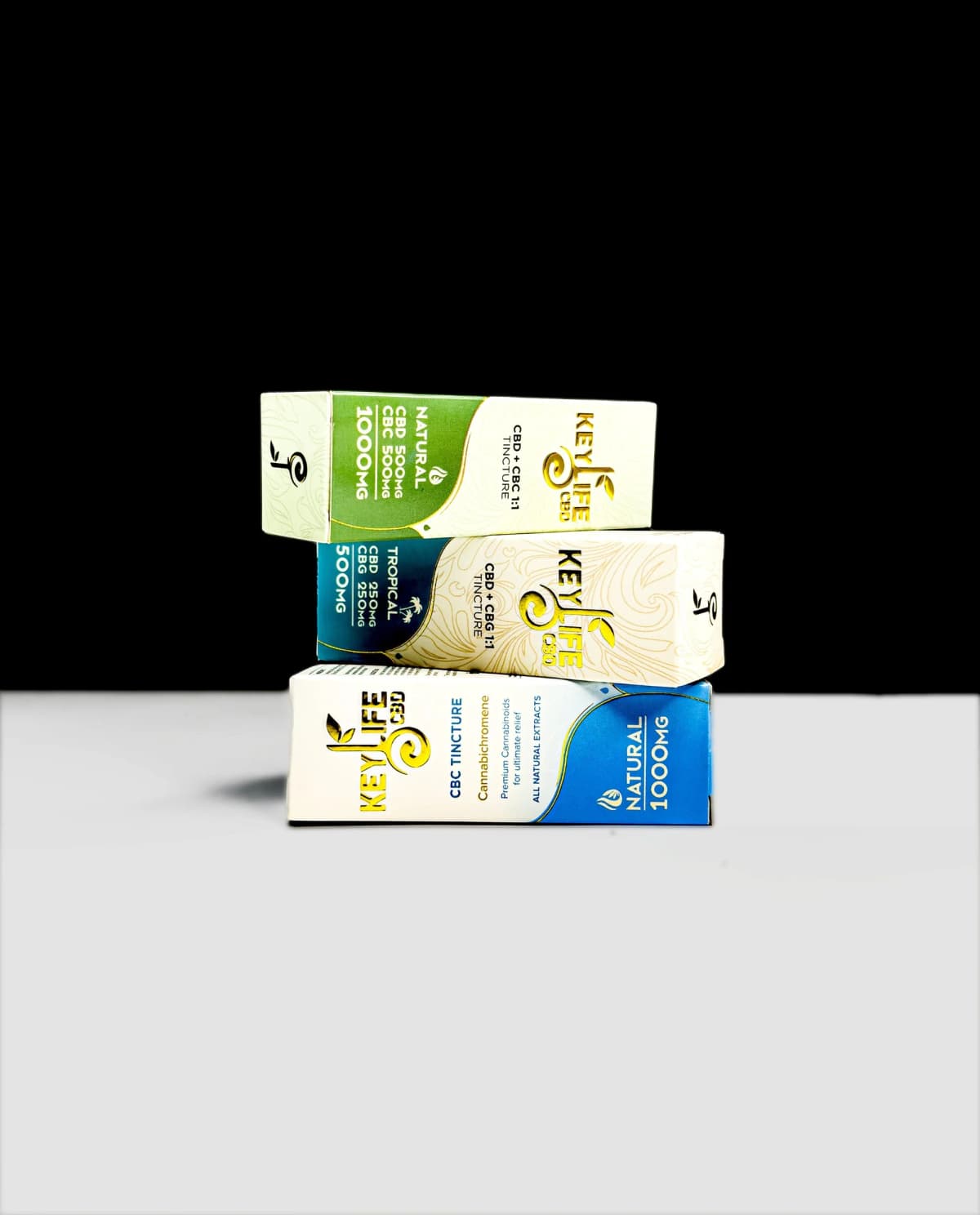
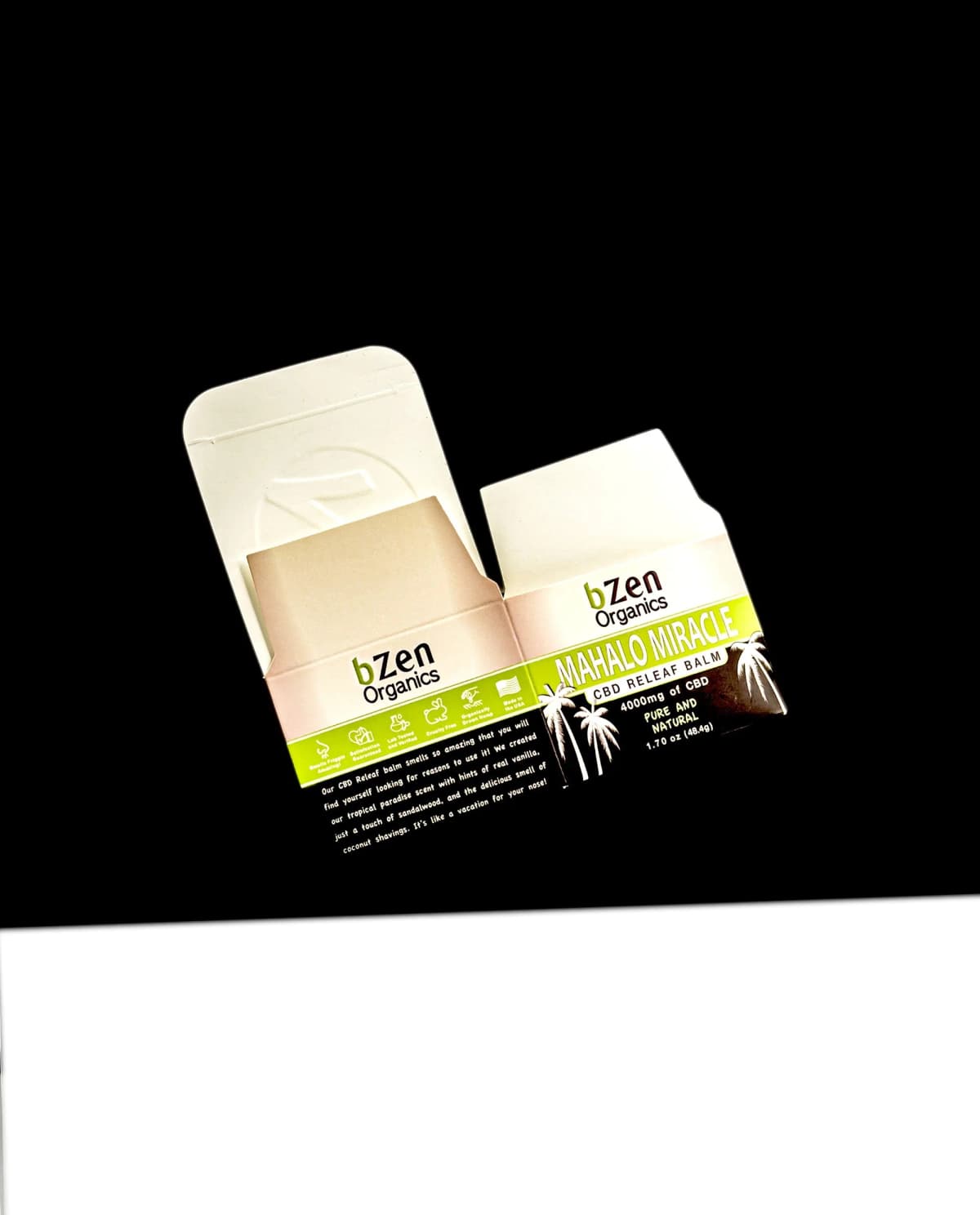
Custom CBD Cream Boxes
CBD cream boxes carry a product that is heavier than it looks and more fragile than it seems. A 50ml glass jar of balm concentrates its weight in a small footprint, and the jar itself is the thing customers judge before they judge the cream. The box has to hold it still, keep light off it, and open in a way that presents the jar rather than dropping it out.
FSC Certified
Sustainably sourced paper and board
Food-Grade Safe
FDA-compliant materials for direct food contact
Recyclable options available
Uncoated kraft and paper builds qualify; laminated, foil and rigid builds do not
Sedex Member
Audited for ethical, responsible sourcing
Specifications
- Material
- Cardboard / Kraft
- Printing
- Full-Color CMYK / Offset
- Finish
- Matte / Gloss Lamination
- MOQ
- 100 Units
Printing & Finishing
- Full-Color CMYK
- Spot Colors (Pantone)
- Interior Printing
Jars and Tubes Need Different Dielines
Topical CBD comes in two shapes and they do not share a box.
A jar is wide and short, often with a tapered wall, and the weight sits low. Cut the dieline to the widest point and the jar rocks; cut it to the base and the lid catches on the way in. We size to the widest diameter and add a punch partition when the taper is pronounced, so the jar seats at one height and stays there. Anything over roughly 100g wants an auto-bottom base - a standard tuck bottom will eventually pop under a glass jar dropped into a shipping carton.
A tube is tall, light, and awkward for the opposite reason: it has almost no weight to hold it down, so it slides and rattles. A narrow box cut close to the tube diameter solves it without an insert. Where a brand sells both formats, we usually build the tube box to the same front-panel width as the jar box, so the two line up as a family on shelf even though the depths differ.
Light, Heat and Shelf Life
Topicals discolour and separate under light. This is the practical reason we steer most CBD cream brands away from die-cut windows, even though windows convert well in other categories - a window on a cream box is a hole in the product's light protection, and the cream is not the thing selling the purchase anyway. Solid stock with foil or spot UV on the logo does the same premium work without shortening shelf life.
Heat is the related issue. Balms with a high wax or shea content soften in a warehouse in summer, and a softened product can weep past a jar thread and mark the board. If you are shipping through hot months, an unlaminated box will show that staining and a laminated one will not - one of the few cases where we recommend lamination for a protective reason rather than an aesthetic one.
What Belongs on Which Panel
Topical CBD sits in a different regulatory position from ingestible CBD, but the practical panel plan is similar. The front panel carries brand, product name, and strength in milligrams - strength is the number customers compare, so it should be legible at shelf distance rather than tucked into the ingredient block. The back panel carries directions, full ingredients, net weight, batch, and the COA link. Warnings about broken skin and patch testing belong somewhere unmissable, which usually means the back panel rather than the base.
Ingredient lists on a small topical box are the usual space problem. Interior printing - included at no extra cost - takes the pressure off, and a fold-out leaflet inside the carton is the standard solution when the formulation list runs long.
Finishes That Suit a Wellness Shelf
The CBD topical shelf is crowded with matte white and sage-green boxes, which is worth knowing before choosing a finish. Soft-touch lamination is the most tactile option and reads as expensive in the hand, though it scuffs more visibly than plain matte on large dark solid panels - relevant if your design is a deep green or black. Spot UV over a matte ground gives contrast with no extra material. Foil is the strongest differentiator on this shelf precisely because so few wellness brands use it.
Kraft remains popular here for the same reason as the rest of the category, with the same trade-off on colour accuracy. The comparison of stocks, coatings and specialty finishes is set out in full on our materials and printing page.
Typical Topical Footprints
Cream and balm boxes cluster around a few sizes, useful as a reference while you are still choosing containers:
- 30ml jar: around 55 x 55 x 50mm.
- 50ml jar: around 65 x 65 x 60mm - the most common topical size we build.
- 100ml jar: around 80 x 80 x 70mm, and heavy enough to want an auto-bottom base.
- 50-75ml tube: around 45 x 30 x 150mm, cut close to the tube so it cannot slide.
- Roll-on: around 30 x 30 x 110mm, including the ball housing.
All quoted as internal dimensions, so board thickness is already accounted for.
Packing a Set
Topicals sell well as bundles - a balm with a roll-on, or a set of strengths. A two-piece box or a tray-and-sleeve with a fence partition holds a set with each item seated separately, which stops jars knocking together and gives you a reveal when the lid lifts. This is also the structure most brands use for seasonal gifting, where the outer box has to look like a gift rather than a carton of stock.
Getting a Quote
Send the jar or tube dimensions with the closure on, the fill weight, and where the box is going - a retailer or straight to a customer. Those three answers settle the structure. Pricing follows within 24 hours, and nothing prints until you have approved a dieline and a digital proof. Related builds: CBD boxes and serum boxes.
Custom CBD Cream Boxes — FAQs
Got questions? We have answers. If you need anything else, get in touch.
Size the dieline to the jar rather than to a stock size, and add a punch partition or insert if the jar is tapered. A box cut to the exact diameter holds the jar still without any filler, which also photographs better for unboxing content.
Usually not. Creams and balms discolour under light, and a window exposes the product on shelf. Most brands get more from spot UV or foil on the logo, which signals quality without shortening the product life.
Yes, interior printing is included at no extra cost. Directions, ingredients, and reorder details on the inside panel free up the exterior for branding and are a natural place for a QR code to your COA.
Related Products
Ready to start your project?
Tell us what you need. We get back to you within a business day.