Custom Lip Gloss Boxes
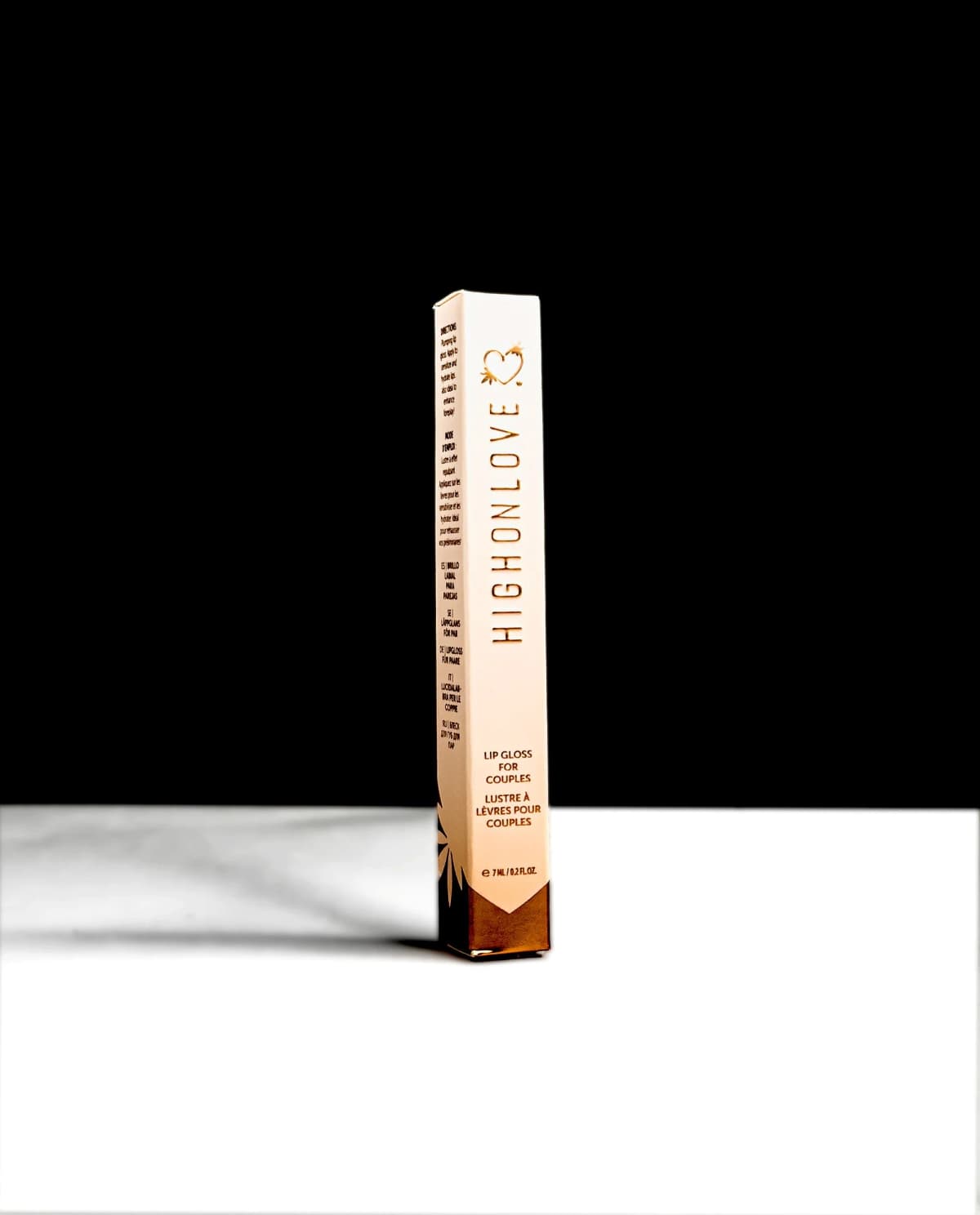
A lip gloss box is one of the hardest formats in cosmetics to get right, for a simple reason: there is almost no box. A standard tube is 15-20mm across and 80-100mm tall, so every panel is narrow, every millimetre of slack is visible, and the mandatory copy still has to fit. We cut the dieline to your exact tube rather than rounding up to a convenient size.
FSC Certified
Sustainably sourced paper and board
Food-Grade Safe
FDA-compliant materials for direct food contact
Recyclable options available
Uncoated kraft and paper builds qualify; laminated, foil and rigid builds do not
Sedex Member
Audited for ethical, responsible sourcing
Specifications
- Material
- Cardboard / Kraft
- Printing
- Full-Color CMYK / Offset
- Finish
- Matte / Gloss Lamination
- MOQ
- 100 Units
Printing & Finishing
- Full-Color CMYK
- Spot Colors (Pantone)
- Interior Printing
Working With a Very Small Footprint
On a box this narrow, the usual tolerances stop being invisible. Two millimetres of clearance that would go unnoticed on a 90mm-wide carton is more than 10% of the width here - the tube tips inside the box and the whole thing feels loose. Cutting to the exact tube diameter is not a refinement in this category, it is the difference between a box that feels considered and one that does not.
Height is set by the applicator, not the tube body. Doe-foot wands, angled applicators and oversized caps all add height above the neck, and a box built to the tube body alone will not close. Send the tube assembled with its cap on, or measure it that way.
Fitting Cosmetic Labelling Onto Narrow Panels
Colour cosmetics carry an ingredient declaration, net contents, and the responsible company's details, and brands selling into the EU or UK also need a period-after-opening symbol. US cosmetic labelling requirements have expanded in recent years, so confirm your current obligations before the artwork is finalised - it is far cheaper to reserve the space now than to reprint.
Three techniques make it fit. Keep the mandatory block to the back and base panels and set it no smaller than 5pt, which is about the practical floor for legible offset printing on coated stock. Use interior printing, included at no extra cost, for shade guidance or reorder prompts. For long formulation lists, a fold-out leaflet inside the carton is standard in the category and does not change the box footprint at all.
Shade Ranges and Set Packaging
Gloss almost never sells as a single SKU. A range of six to twelve shades is normal, and the packaging decision is whether the shade lives in the artwork or on a label. Printing each shade as its own artwork gives the cleanest result and makes each shade a separate 100-unit run. Printing one base design with a shade sticker applied at fill is more flexible if you reformulate or retire shades often. Because we charge no die or plate fees, launching the full range as separate runs costs you unit price only.
Multi-shade sets need a different structure entirely. A tray-and-sleeve or a two-piece box with a fence partition holds each tube seated in its own cell so they cannot roll together - this is also the structure most brands use for seasonal and gift sets, where the outer box has to look like a present rather than a carton.
Common Lip Gloss Box Sizes
- Single slim tube: around 20 x 20 x 95mm.
- Single wide or squeeze tube: around 25 x 25 x 100mm.
- Three-shade set: around 75 x 25 x 100mm with a fence partition.
- Six-shade set: around 110 x 50 x 100mm as a tray and sleeve.
All internal dimensions, all built to your tube rather than selected from this list.
Finishes That Work at This Scale
A gloss box is handled constantly - picked up, turned over, put back - so finish choice is partly a durability decision. Full gloss lamination shows fingerprints immediately on a box this small and this handled. Soft-touch lamination with spot UV or foil on the logo is the combination the category has settled on, because the matte body makes the gloss or metallic detail read as deliberate rather than shiny.
Foil is disproportionately effective at this size. On a 20mm-wide panel, a foil logo occupies a meaningful share of the visible surface, so it does more work per dollar than it would on a large carton. Details of the finishing options are on our materials and printing page.
Matching the Box to a Decorated Tube
Gloss tubes usually arrive already decorated - a printed or hot-stamped cap, a metallised band, a coloured component. The box is the second decorated surface, and the two are almost always specified by different suppliers at different times, which is how brands end up with a warm gold cap against a cool gold box.
If a metallic on the component matters, send us a physical sample rather than a colour reference. Foil is a physical material with its own tone, and matching it to an anodised cap is done by eye against the real thing, not by name. The same applies to a coloured tube: specify the box colour as a Pantone spot ink and match it to the component, rather than building it from CMYK and hoping the two land together.
Peg Rails and Counter Display
How the gloss hangs matters as much as how it prints. A box sold on a peg rail needs a hanger panel or a die-cut euro-slot, reinforced so the tab does not tear through - tell us the fixture before we cut the dieline. A box sold from a counter unit needs to stand on its base without tipping, which on a tall narrow box means the base panel has to be square rather than tapered.
Requesting a Quote
Measure the tube with its cap on and send us the shade count. If you want singles and a set, say so now - they are two dielines, and designing them together keeps the range looking like a range. Related: serum boxes, hair product boxes, and the cosmetic packaging range.
Custom Lip Gloss Boxes — FAQs
Got questions? We have answers. If you need anything else, get in touch.
Most gloss tubes are 15-20mm in diameter and 80-100mm tall, so the box is narrow and tall. Because the footprint is so small, we cut the dieline to your exact tube rather than rounding up - a few millimetres of slack is very visible on a box this size.
Keep mandatory copy to the back and base panels and set it no smaller than 5pt. Ingredient lists on small cosmetics are often better handled with a fold-out leaflet or an interior print, which we can include without changing the box footprint.
Yes. A tray-and-sleeve or a two-piece box with a fence partition holds a multi-shade set with each tube seated separately. This is also the structure most brands use for gift and seasonal sets.
Soft-touch lamination with spot UV or foil on the logo is the most common combination in colour cosmetics - the matte body makes the gloss detail stand out. Full gloss lamination works too but shows fingerprints on a tube-sized box that is handled a lot.
Related Products
Ready to start your project?
Tell us what you need. We get back to you within a business day.